Can U-shaped seating in metro schools change how students learn and connect?
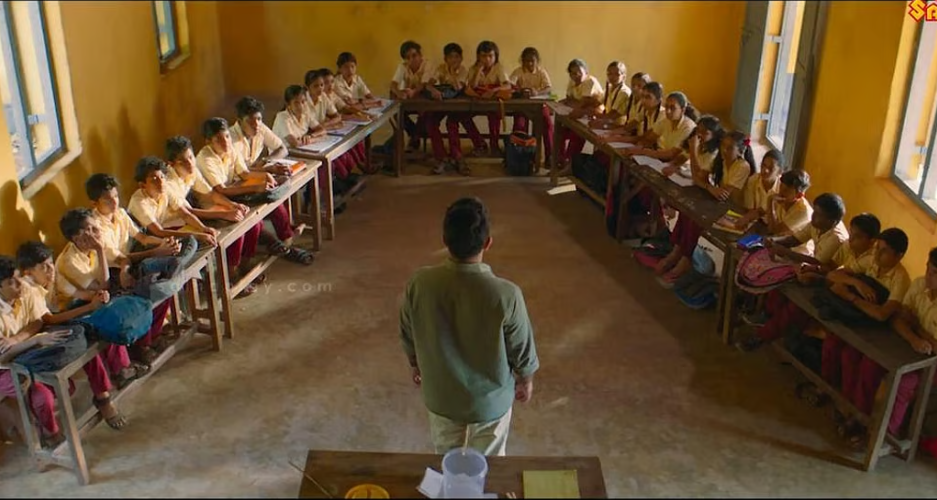
In Tamil Nadu, a quiet yet powerful transformation is taking shape within school walls. The state government’s initiative to introduce U-shaped classrooms is being hailed by education leaders as a landmark step in making learning more inclusive, participatory, and engaging for students. The new seating arrangement is not just about where children sit; it’s about reshaping the way they connect, collaborate, and learn.
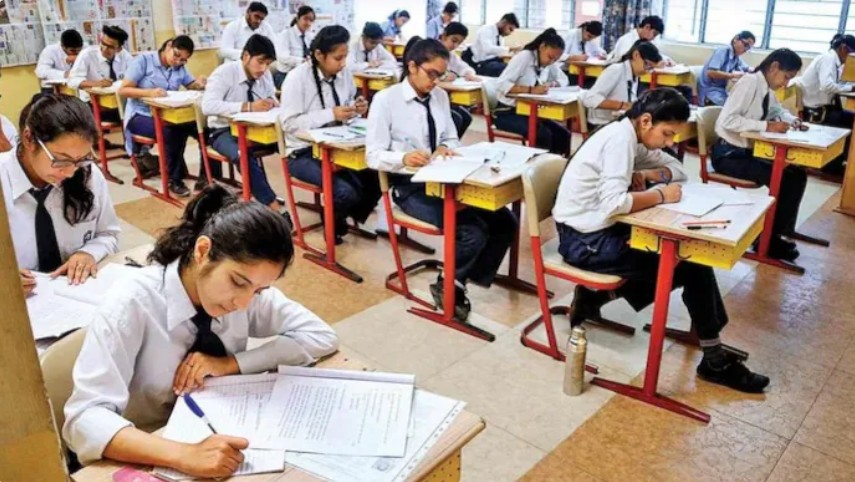
But what if this model were adopted across schools in India’s metropolitan states? Experts believe it could significantly reduce classroom hierarchies, boost collaboration, and make urban schools more engaging for students navigating increasingly competitive academic environments. Widespread implementation could transform not just how students learn but how they interact, share ideas, and build confidence in some of the country’s most diverse and high-pressure classrooms.
A DESIGN THAT REDEFINES
“When you change the way children sit together, you change the way they connect, engage, and learn,” says Ajay Singh, Principal of The Scindia School. “The U-shaped classrooms in Tamil Nadu are a powerful reminder that even a simple change in classroom design can make learning feel more open, inclusive, and less monotonous. Instead of staring at the back of someone’s head, students can see one another’s faces, share ideas more naturally, and feel like part of a cohesive learning community. This setup nurtures confidence, encourages dialogue, and builds mutual trust, qualities that are just as vital as academic achievement.”
You Might Also Like