Scientists Discover how a Parasite Slithers into the Skin, Turning off Pain Signals
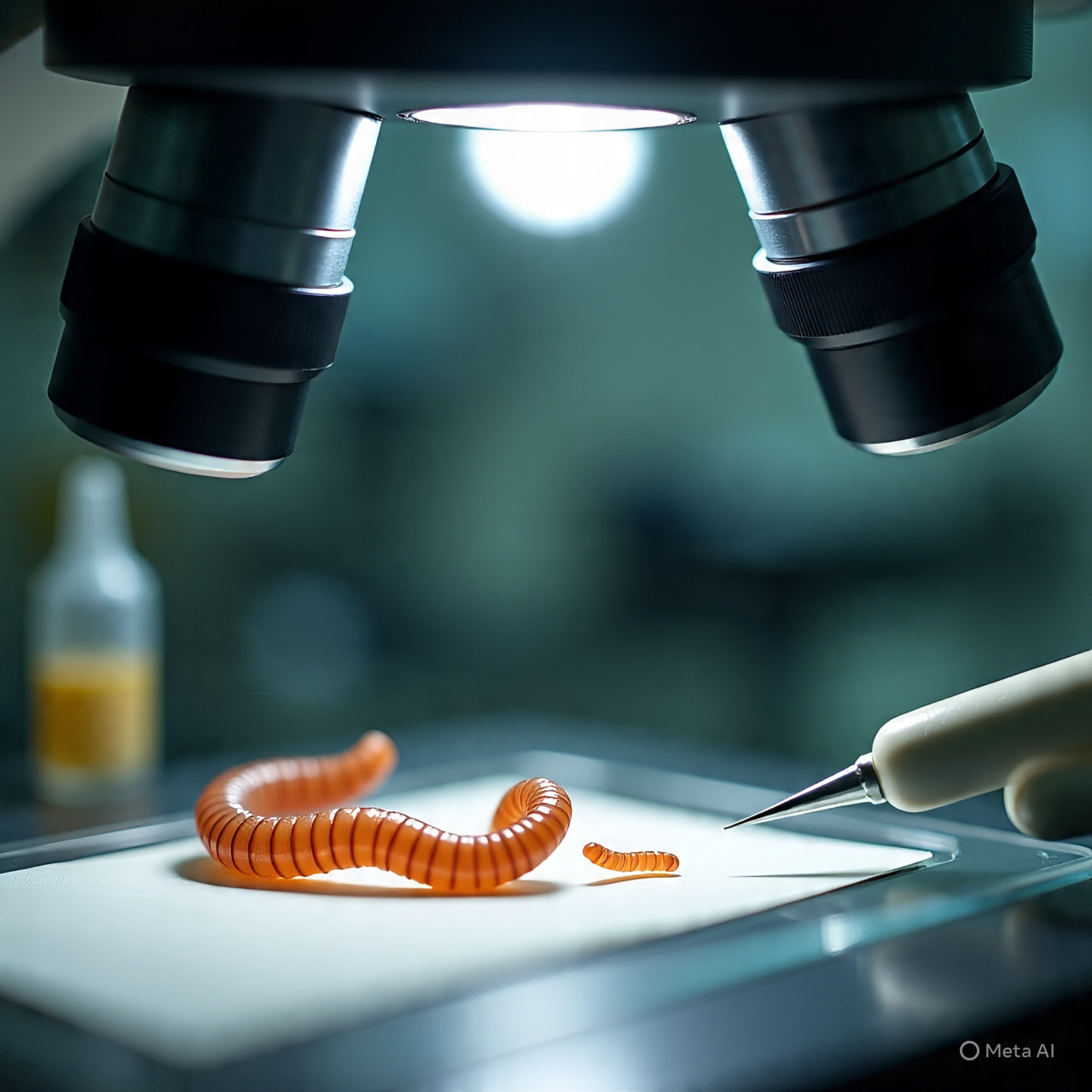
The flatworm parasite Schistosoma mansoni has always existed. Next to malaria, it is probably humankind’s most serious parasitic infection, affecting some 240 million people yearly in Africa, Asia, South America, and the Caribbean.
New research by scientists, published in The Journal of Immunology, discovered that this parasitic worm suppresses neurons in the skin to evade detection. The researchers suggest that Schistosoma mansoni has evolved to the point of trickily sneaking into the skin, turning off the immune system's triggers, pain, and itch signals by blocking neural pathways, to painlessly invade a human body without detection, enabling it to survive and thrive.
In this new study, researchers from Tulane School of Medicine sought to find out why the parasitic worm Schistosoma mansoni doesn't cause pain or itching when it pierces the skin. Their findings show that S. mansoni causes a reduction in the activity of TRPV1+, a protein that signals the brain to interpret heat, pain, or itching. As part of pain-sensing in sensory neurons, TRPV1+ regulates immune reactions in many scenarios, such as infection, allergy, cancer, autoimmunity, and even hair growth.
The study also found that TRPV1+ is necessary for initiating host protection against S. mansoni. TRPV1+ activation leads to the rapid mobilization of immune cells, including gd T cells, monocytes, and neutrophils, that induce inflammation. This inflammation plays a crucial role in host resistance to larval entry into the skin. These findings highlight the importance of neurons that sense pain and itching in successful immune responses.
"If we identify and isolate the molecules used by helminths to block TRPV1+ activation, it may present a novel alternative to current opioid-based treatments for reducing pain," said Dr. De'Broski R. Herbert, immunologist, parasitologist, academic, and biomedical researcher.
Schistosoma mansoni is a water-borne parasite that is transmitted through contact with freshwater sources infected with the parasite's eggs. The eggs are released into the water when an infected person excretes them, and they hatch in the water to become larvae. These larvae can penetrate the skin and enter the body, causing schistosomiasis. Poor sanitation and lack of access to clean water are the big drivers of this disease. Preventive measures include hygiene, enhanced sanitation, and not polluting the waters by excretion and throwing garbage into rivers, and so on. Cleaning up the rivers, lakes, and other waterbodies is necessary to fight the spread of waterborne diseases.
As scientists keep working fervently to find new methods and drugs to outsmart the evolving parasites, there needs to be a deeper pitch for clean water and hygiene, too.