Unveiling the Hidden Struggles of India's Students
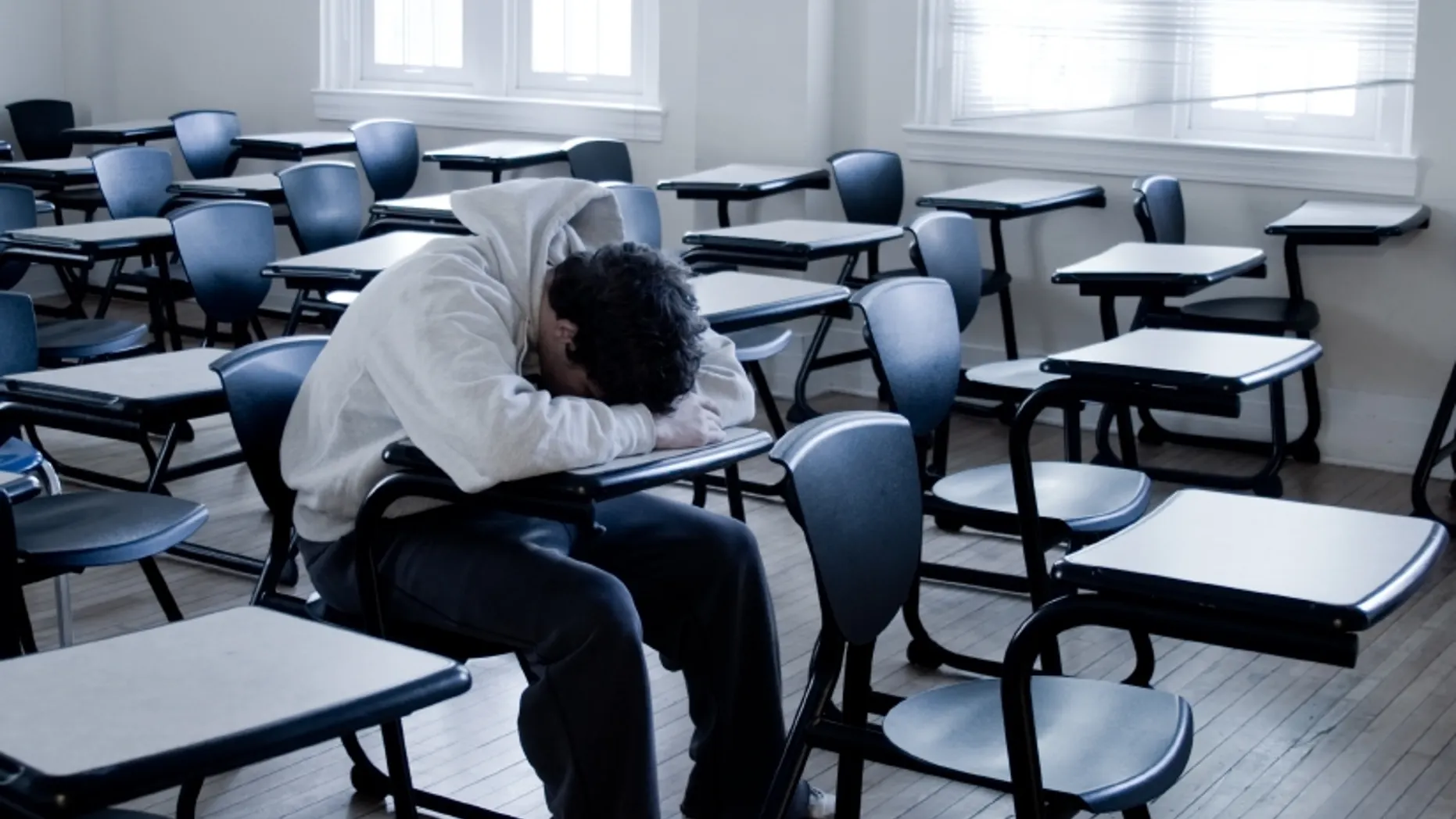
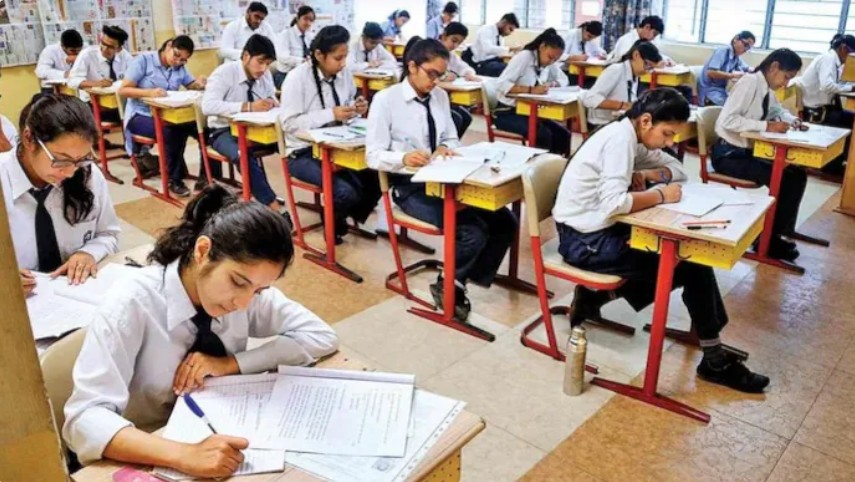
In a fiercely competitive educational environment with the relentless pursuit of academic excellence, the culture of cutthroat competition is surging, leading to deep frustration, anger, and depression.
Securing high grades is seen as the key to success. The Indian education system puts a key emphasis on rote memorization, and standardized examinations leave little room for creativity, critical thinking, or genuine understanding. The "parrot-learning: system leads to low motivation in learning, causing student to look for other avenues to engage their interests.
Economic stress, societal expectations, personal issues, communal and cultural differences can trigger anxiety, leading to depression, dropouts, suicide, or even crime, out of sheer frustration.
To the ones who can't beat the pressure, they succumb to peer pressure to experiment with drugs to fit in with their peers or as a coping mechanism to deal with stress. Opioids such as heroin, pharmaceutical opioids, and opium are commonly abused; cannabis users are reported in the North East and Dehi with around 100 million Indians consuming drugs like cocaine and cannabis, MDMA: Also known as ecstasy, is used among teenagers, and vapes and nicotine products, disguised as candy or other sweets are increasingly popular among young people. Youth are turning to alcohol in states such as Haryana, and prescription sedatives are also being misused, with 0.2% of Indians requiring help for sedative use.
Coaching institutes, like those in Kota, Rajasthan, have mushroomed, promising guaranteed success and further fueling the pressure, but unfortunately, with all good intentions, they have been witnessing a concerning trend of student suicides, primarily driven by the immense pressure to excel in professional entrance exams like JEE and NEET. The city's coaching institutes attract millions of students seeking admission to top engineering and medical colleges in India.
Kota reported a record 26 student suicides in 2023, the highest-ever figure. Although the number of suicides declined to 17 in 2024 compared to the previous year, it still raises concerns about the mental health of students. The year 2025 has already seen 14 student suicides, indicating that the issue persists.
It's time for a paradigm shift. India's education system needs to prioritize holistic development, more creativity and innovation in education, less competition but more space for students to excell in their natural inborn talents, more choice of what they chose, and more monotory support from ogmental health support, and a nurturing environment. This can be achieved by redefining success, and emphasizing the development of skills, character, and emotional intelligence, rather than just academic performance; encouraging independent thinking, problem-solving, and experiential learning; prioritizing mental health, and training educators to identify signs of emotional distress, establishing open communication channels, and promoting a supportive atmosphere.
The well-being of young minds should be a paramount consideration in the pursuit of academic excellence. By working together, one can create a more compassionate and nurturing education system that stimulates the growth of well-rounded, creative, and emotionally resilient individuals.
To create a supportive and inclusive learning environment, India's education sector requires significant investment. Adequate funding is crucial to achieving educational goals and empowering the youth to succeed. By prioritizing education and allocating sufficient resources, the government and other stakeholders can help cultivate a positive and nurturing academic climate that allows students to bloom.

You Might Also Like