SC Issues New Accessibility Guidelines for UPSC Exams; Mandates Scribe Flexibility, Screen Reader Plan
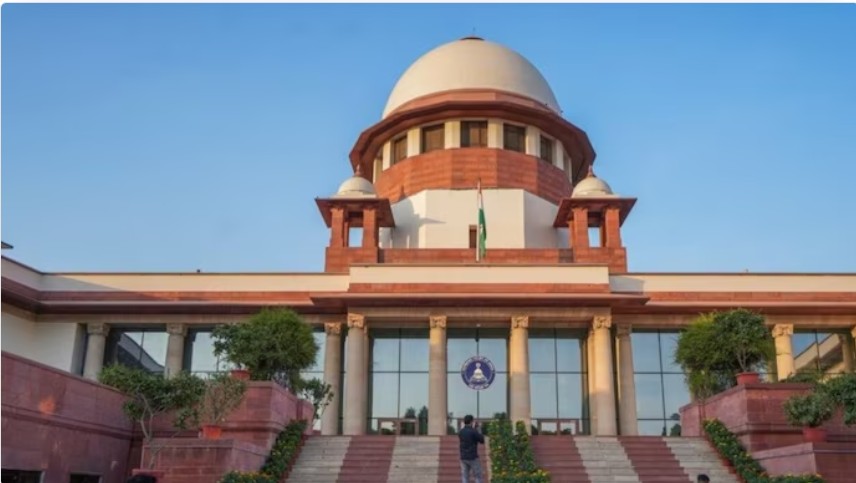
In a landmark move aimed at strengthening inclusivity in one of India’s most prestigious examinations, the Supreme Court has issued a comprehensive set of directions to make the Union Public Service Commission (UPSC) exams more accessible for candidates with disabilities. The judgment, delivered by a bench of Justices Vikram Nath and Sandeep Mehta, comes in response to a writ petition filed by Mission Accessibility. The ruling also coincides with the International Day of Persons with Disabilities, reinforcing India’s constitutional commitment to equality.
Scribe Change Allowed Up to Seven Days Before Exam
In a significant relief for candidates who require scribes, the Court has mandated that the UPSC must allow applicants to change their scribes at least seven days prior to the examination. Furthermore, the Commission must process and decide such requests within three working days, ensuring timely support for those facing sudden challenges.
UPSC to Introduce Screen Reader Software
Marking a major advancement for visually impaired candidates, the Supreme Court has directed the UPSC to prepare a detailed plan for introducing screen reader software into the examination system. The plan—due within two months—must include clear timelines, testing procedures, validation mechanisms, and steps to make screen readers operational from the next exam cycle.
Uniform Standards Through Inter-Agency Collaboration
The Court has instructed the UPSC to collaborate with the Department of Empowerment of Persons with Disabilities (DEPwD) and the National Institute for the Empowerment of Persons with Visual Disabilities (NIEPVD) to formulate uniform protocols for the use of screen readers and assistive technologies. Government entities such as the Department of Personnel and Training (DoPT) and the Ministry of Social Justice and Empowerment will provide administrative and technical support to ensure the smooth implementation of these measures. State governments and exam authorities are also expected to coordinate when required.
Ensuring Fairness and Full Accessibility
The bench emphasized that the implementation must ensure complete accessibility for eligible candidates without compromising the fairness and confidentiality of the examination. Highlighting the spirit of true equality, the Court observed:
“Equality, in its truest sense, demands not uniformity but the removal of barriers that prevent individuals from standing on equal footing… The rights guaranteed to persons with disabilities are not acts of benevolence, but expressions of the constitutional promise of equality, dignity, and non-discrimination enshrined in Articles 14, 19, and 21.”
The judgment underscores that inclusivity in governance requires not just progressive policies, but dedicated and effective execution. It also reminds all public institutions that UPSC’s processes must remain “transparent, accessible, and sensitive to the needs of every segment of society.”

You Might Also Like