India's Higher Education and Global Expansion Push

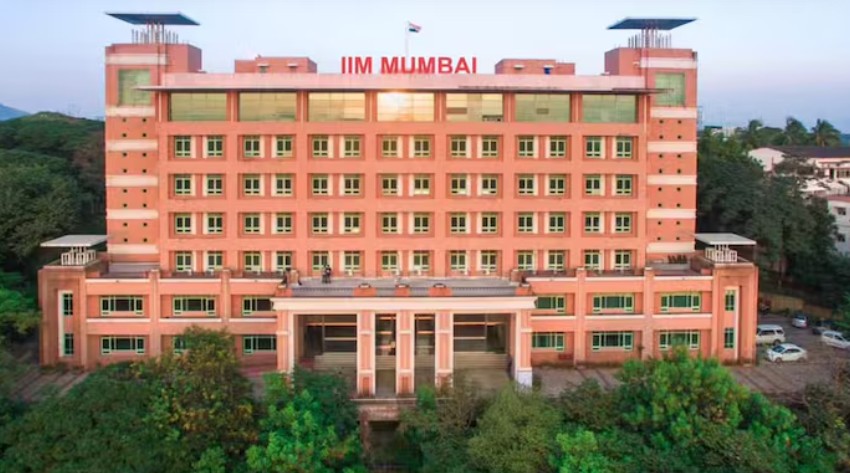
A major milestone was achieved on September 11, 2025, when the Indian Institute of Management Ahmedabad (IIM-A) inaugurated its first overseas campus in Dubai. The launch was marked by a high-profile ceremony attended by H.H. Sheikh Hamdan bin Mohammed bin Rashid Al Maktoum, underscoring the strategic importance of the initiative. The Dubai campus focuses primarily on executive education, leadership development, and applied research, catering to professionals and enterprises across the Middle East and North Africa (MENA) region. This marks a significant step in IIM-A’s mission to become a globally influential institution.
Similarly, Indian Institutes of Technology (IITs) have taken bold steps toward internationalization. IIT Madras has established a campus in Zanzibar, Tanzania, becoming the first IIT to open a full-fledged offshore campus. The Zanzibar campus offers undergraduate and postgraduate programs in data science and artificial intelligence, aiming to serve both African and international students. Meanwhile, IIT Delhi is progressing with plans to launch a campus in Abu Dhabi, strengthening India’s academic and technological ties with the UAE.
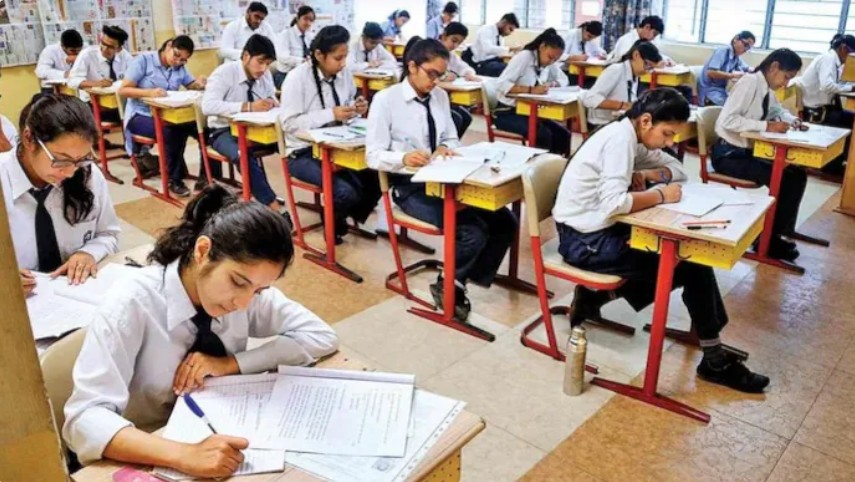
To increase accessibility and inclusion, entrance examinations like the Joint Entrance Examination (JEE) for engineering and the National Eligibility cum Entrance Test (NEET) for medical courses are now conducted in 13 Indian languages, allowing students from diverse linguistic backgrounds to compete on equal footing. This aligns with the goals of the National Education Policy (NEP) 2020, which emphasizes multilingualism and equity in higher education.
India's business schools are also gaining significant recognition in international rankings. IIM Bangalore secured the 52nd position in the QS Global MBA Rankings 2026, reflecting the growing prestige of Indian management education. Additionally, the Indian School of Business (ISB) was ranked #5 on LinkedIn’s 2025 Top MBA list, placing it alongside global heavyweights like Stanford and Harvard. Overall, seven Indian institutions were featured in the top 100 of leading international MBA rankings, highlighting the global competitiveness of Indian academic programs and their graduates.
This wave of international expansion and global recognition signals a new era for Indian higher education, positioning it as a key player in the global knowledge economy.

You Might Also Like