Indian Universities Expand Global Ambitions but Still Struggle in International Rankings
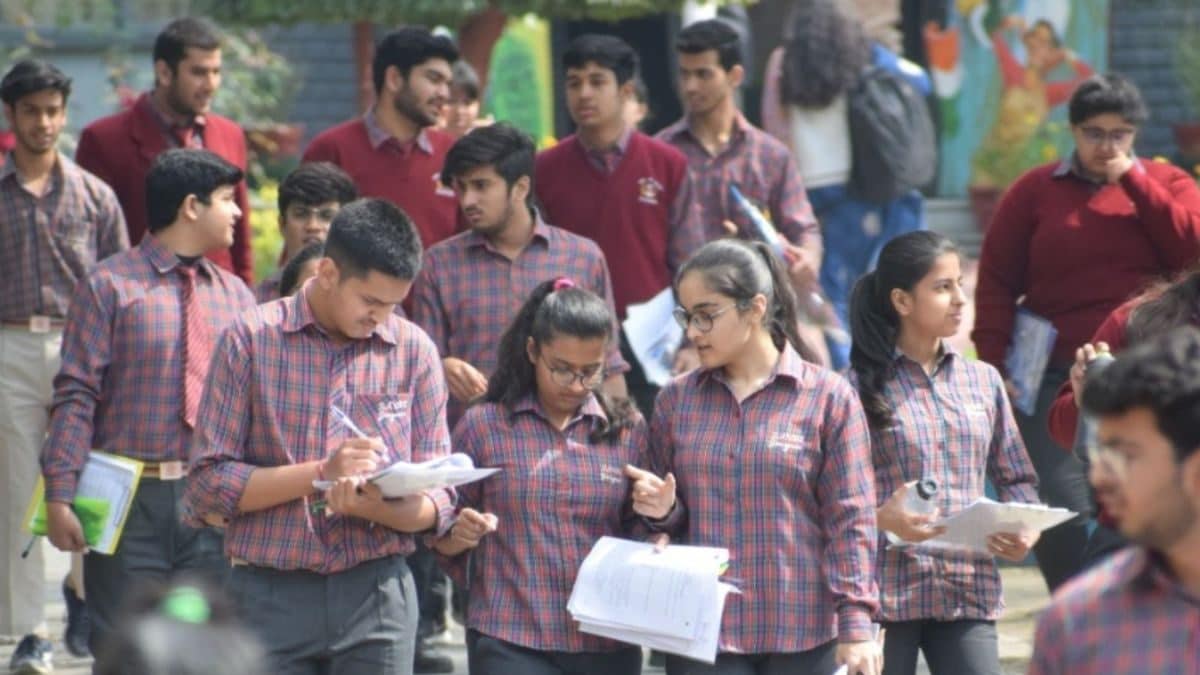
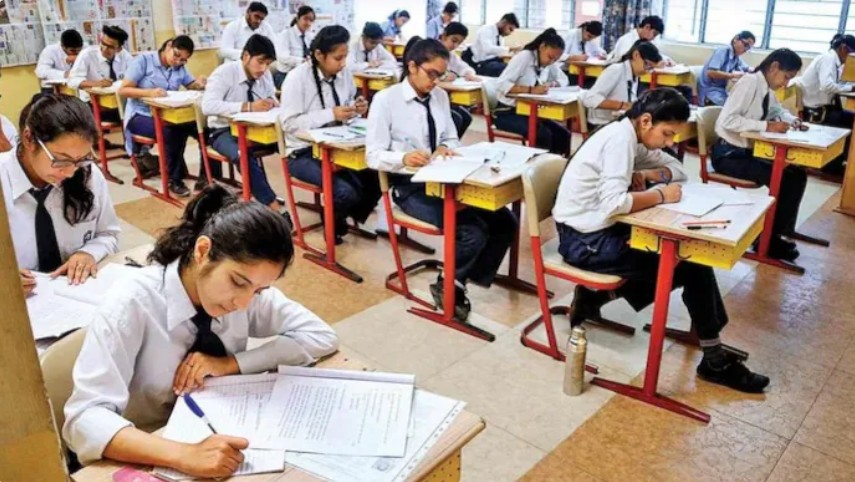
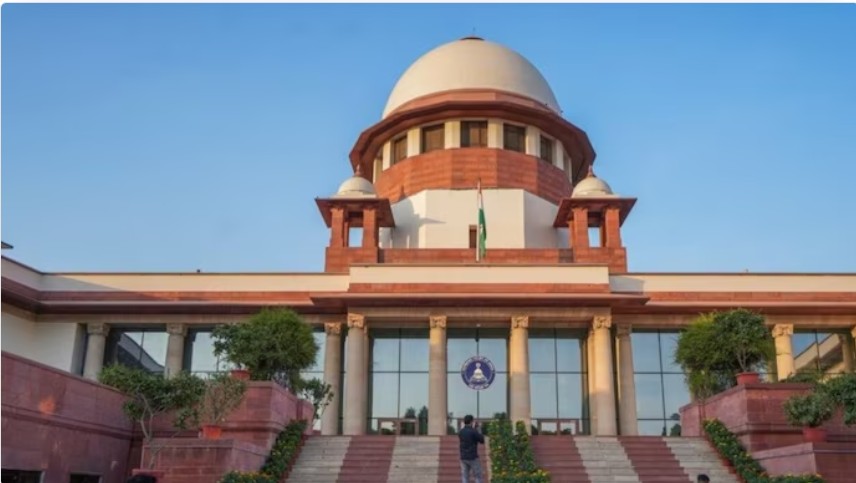
India, home to one of the world’s largest higher education systems, continues to face significant challenges in securing its place among top global universities, despite rapid growth and increasing international interest.
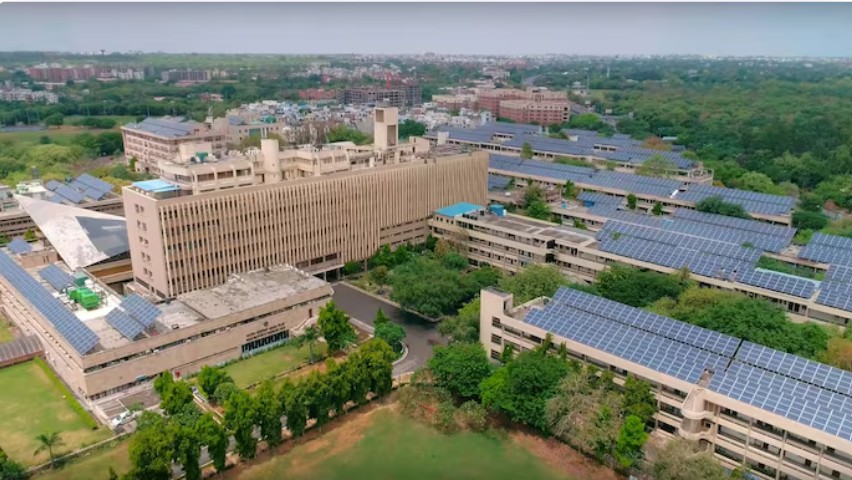
From long-established institutions like IIT Delhi to emerging private universities such as Shoolini University in Himachal Pradesh—now recognised for strong research output—the country offers a diverse academic landscape. Yet, only a handful of Indian universities feature in the top 200 of global rankings such as QS and Times Higher Education.
Experts say the gap is no longer about academic talent. India produces world-class students, employs capable faculty, and hosts strong pockets of research excellence. Rather, the key issues lie in systemic structure, funding limitations, weak industry linkages, and inadequate international visibility.
According to Sudhir Kumar Pandey, Director of International Admissions and Outreach at Noida International University (NIU), global competition begins long before ranking tables are published. “The rise in Indian students studying abroad shows how families now seek multicultural learning, industry-linked curriculum, and greater exposure,” he notes.
India welcomed more than 72,000 international students from nearly 200 countries in the 2024–25 academic year—a figure that is steadily rising but remains far below destinations like the US, UK, and Australia.
Why Indian Universities Fall Behind in Global Rankings
Global rankings typically reward long-term performance, sustained research investment, and strong international networks. Western institutions, Pandey observes, benefit from decades of global visibility, large research budgets, and influential alumni. “Reputation plays a big role,” he adds. “It is not only academic quality but an entire ecosystem that creates global influence.”
Key factors affecting India’s positioning include:
-
Low Research Funding:
Many Indian institutions struggle to secure continuous funding for large-scale, high-impact research. Laboratories, grants, and fellowships remain limited. -
Faculty Shortages:
India faces difficulty in attracting and retaining top researchers due to pay disparities, bureaucratic processes, and slower recruitment cycles. -
Limited Autonomy:
Public universities often face regulatory delays. Greater freedom in curriculum design, hiring, and global partnerships is required to compete internationally. -
Weak International Visibility:
Indian universities have fewer joint programmes, smaller alumni networks abroad, and limited global outreach. -
Perception Challenges:
While India is considered affordable, foreign students still hesitate due to concerns about safety, infrastructure, and campus services.
Why International Student Numbers Remain Modest
Pandey says students primarily seek quality, safety, and post-study opportunities. Although India provides affordability and strong academic programmes, these strengths are not promoted cohesively at the global level.
Cumbersome visa processes, limited internship and industry pathways, and fewer English-medium programmes also affect India’s attractiveness as a major academic hub.
As India pushes for a stronger global academic footprint, experts emphasize the need for structural reforms, increased funding, and a unified international strategy. Without these changes, India’s large and vibrant higher education ecosystem may continue to be under-represented on the world stage.

You Might Also Like