The Right to Education Act and Minority Educational Institutions: A Constitutional Dilemma
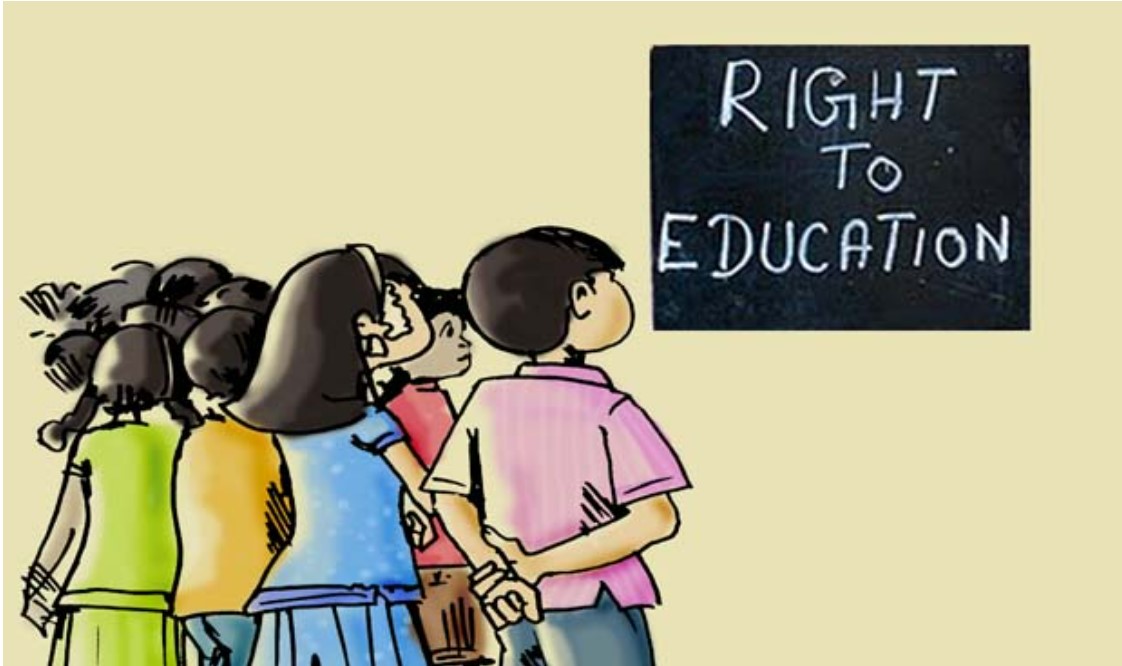
The interplay between the Right of Children to Free and Compulsory Education Act, 2009 (RTE Act) and the constitutional rights of minority educational institutions has long been a matter of legal and ideological debate in India. The recent observations by a two-judge Bench of the Supreme Court (SC) have reopened this sensitive and significant debate by casting doubt on the correctness of a 2014 Constitution Bench ruling in the Pramati Educational and Cultural Trust v. Union of India case.
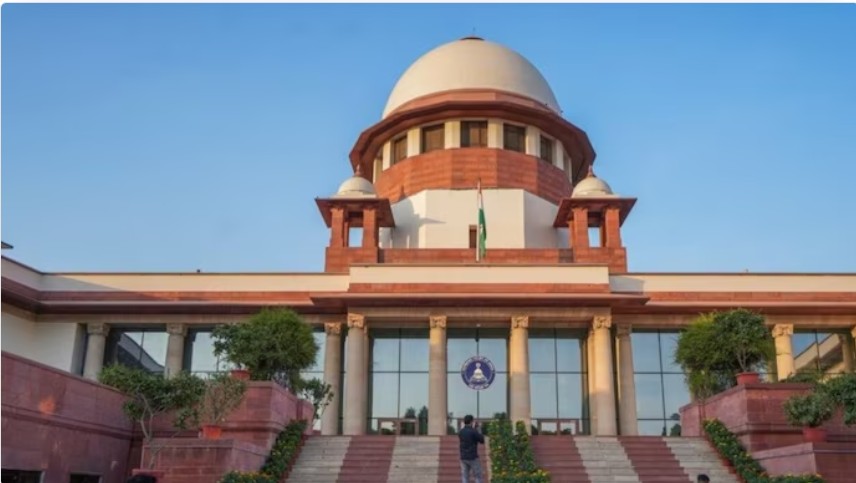
This decision essentially created a constitutional buffer around minority institutions, shielding them from educational regulations that otherwise aim to ensure equitable access to quality education. In September 2024, a two-judge Bench of Justices Dipankar Datta and Manmohan, while deciding on the applicability of the Teacher Eligibility Test (TET) to minority schools, expressed doubts about the correctness of the Pramati judgment. The Right to Education under Article 21A is a fundamental right for all children, irrespective of their background, and exempting minority schools from compliance with minimum educational norms—such as teacher qualifications—may undermine the quality of education provided to children studying in such institutions. The Bench asked whether children's rights should be compromised in the name of minority autonomy. The Court has referred the matter for reconsideration by a larger Bench, signaling a potential re-evaluation of the balance between minority rights and children's right to education. The current debate before the Supreme Court is not merely a legal technicality—it goes to the heart of India's commitment to both pluralism and social justice. The challenge is to preserve the cultural and religious autonomy of minority communities without compromising the universal right of every child to quality education. As the case now awaits adjudication by a larger Bench, the nation watches closely to see how the judiciary reconciles these two fundamental constitutional mandates. The eventual ruling will have a profound impact on education policy, minority rights, and children's access to quality education in India.