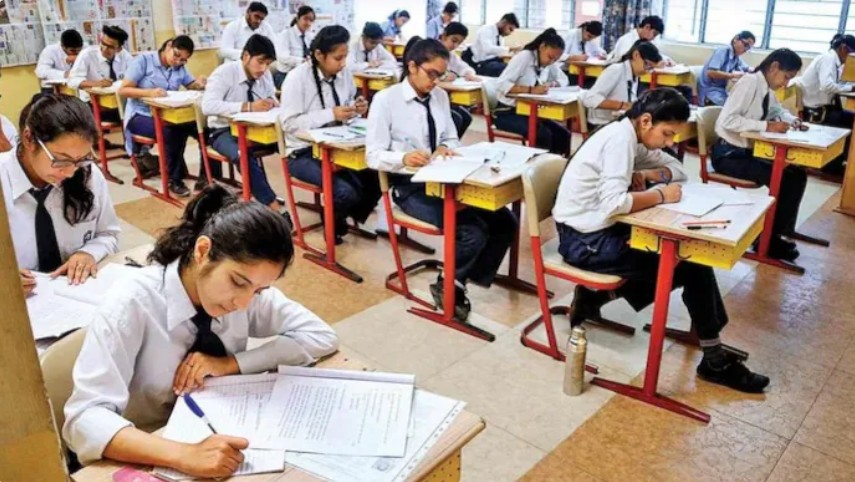
Children with Trauma, Poverty, or Violence at Home are More Prone to Aggression

"Exposure to violence, whether direct as a victim or indirect as a witness, can profoundly affect a child's development. Some children may develop anxiety, depression, or low self-esteem, while others may adopt aggression as a way of coping with rejection and frustration," Dr. Sharma adds.
Psychologist Dr. Sumalatha Vasudeva, Gleneagles BGS Hospital, Kengeri, Bengaluru, agrees that the trend is worrying. "The shift is multifactorial; academic pressure, disrupted family structures, and constant exposure to unfiltered online content are all major contributors. Children today lack healthy outlets for their emotions, and social media has taken over their lives. The quality time we spend with children is very little compared to earlier generations," says Dr. Vasudeva.
For many adolescents, she explains, aggression often stems from "unresolved emotional distress, whether from trauma, anxiety disorders, or feeling invalidated and unheard. Aggression becomes a coping mechanism."
Students from violent homes are more likely to exhibit aggressive behavior due to children learn behavior by observing their environment, and exposure to violence at home can normalize aggressive behavior.
This constant witnessing of violence can lead to a cycle of aggression, where students may adopt similar behavior in their own relationships.
Children growing up in a violent environment are affected by emotional regulation, leading to increased anger, anxiety, and aggression. They struggle to manage their emotions, which results in outbursts or aggressive behavior.
Without positive role models, developing healthy relationships and conflict resolution skills is harder for them, as they find difficulties retaining positive relationships with peers and teachers.
In that constant, violent environment, stress and anxiety affect a child's ability to focus and learn. The repeated exposure to violence can desensitize children to its impact, making them more likely to engage in aggressive behavior. It also reduces empathy and increases the likelihood of violent behavior.
Why is violence increasing? Did we hear of students shooting their teachers, perhaps two decades earlier? Is it a new trend of thinking, normalization of crime, and easy accessibility to weapons? The availability of guns and the pressure to perform well academically can exacerbate mental health issues, such as anxiety and depression.
The exponential influence of social media can play a significant role in spreading violence and aggression, and can also be used to promote positive change and awareness about mental health. Students, on average, have become mobile addicts. Whereas in earlier times, they used to read books, watch movies, or go out for field games, social media is replacing this with alarming intensity. Too much Internet time triggers stress and an inability to connect to people.
It is important to look at the dark side of gaming, which makes an easy passageway for students to get into crime. Excessive gaming can lead to addiction, causing students to become desensitized to violence and more aggressive in their behavior. This can lead to a blurring of lines between the virtual and real worlds, making it easier for students to engage in violent or criminal behavior.
Online gaming communities can be breeding grounds for criminal activity, such as hacking, cyberbullying, and online harassment. Students may be drawn into these communities and encouraged to participate in criminal behavior to fit in or gain status.
Here are some examples of destructive gaming behaviors or genres. Parents and school authorities need to be vigilant about these: Violent Games that feature graphic violence, gore, or brutality, such as, Grand Theft Auto; Call of Duty; Mortal Kombat; Addictive Games: Games that are designed to be highly engaging and potentially addictive, such as:Fortnite; PUBG (PlayerUnknown's Battlegrounds); Candy Crush; Cyberbullying and harassment which are games that allow or encourage players to harass or bully others, such as:- Online multiplayer games with toxic communities; Games with anonymous player interactions; Destructive Online Behavior: Games that encourage or facilitate destructive online behavior, such as: Griefing (intentionally causing chaos or destruction in online games); Trolling (posting inflammatory or harassing messages online); Games with Mature Themes: Games that feature mature themes, such as:Games with explicit language, nudity, or sexual content, and games that glorify violence, substance abuse, or other destructive behaviors
How can Schools Become a Safer Environmental Space?
Prevention programs would need to take precedence to train students to mediate disputes and resolve conflicts peacefully, reducing bullying and fighting as well as implementing restorative justice programs that focus on repairing harm and restoring relationships. Ultimately, kickstarting teaching classes to train students how to manage emotions, set positive goals, show empathy, and make responsible decisions, should be a class in itself.
Authorities would need to work harder to create a positive school climate by rewarding good behavior and providing support, establishing and enforcing clear policies and rules, and ensuring students understand expectations and consequences.
Getting the parents, teachers, and the community involved in violence prevention efforts would be crucial, which is easier said than done because not all people are available all the time.
Thus, support systems within the school to provide students with positive role models and guidance to address issues, with counseling and intervention services to students who exhibit violent behavior or are victims of violence, are detrimental.

You Might Also Like