
Vitamin D: A Key to Slowing Aging and Boosting Health?
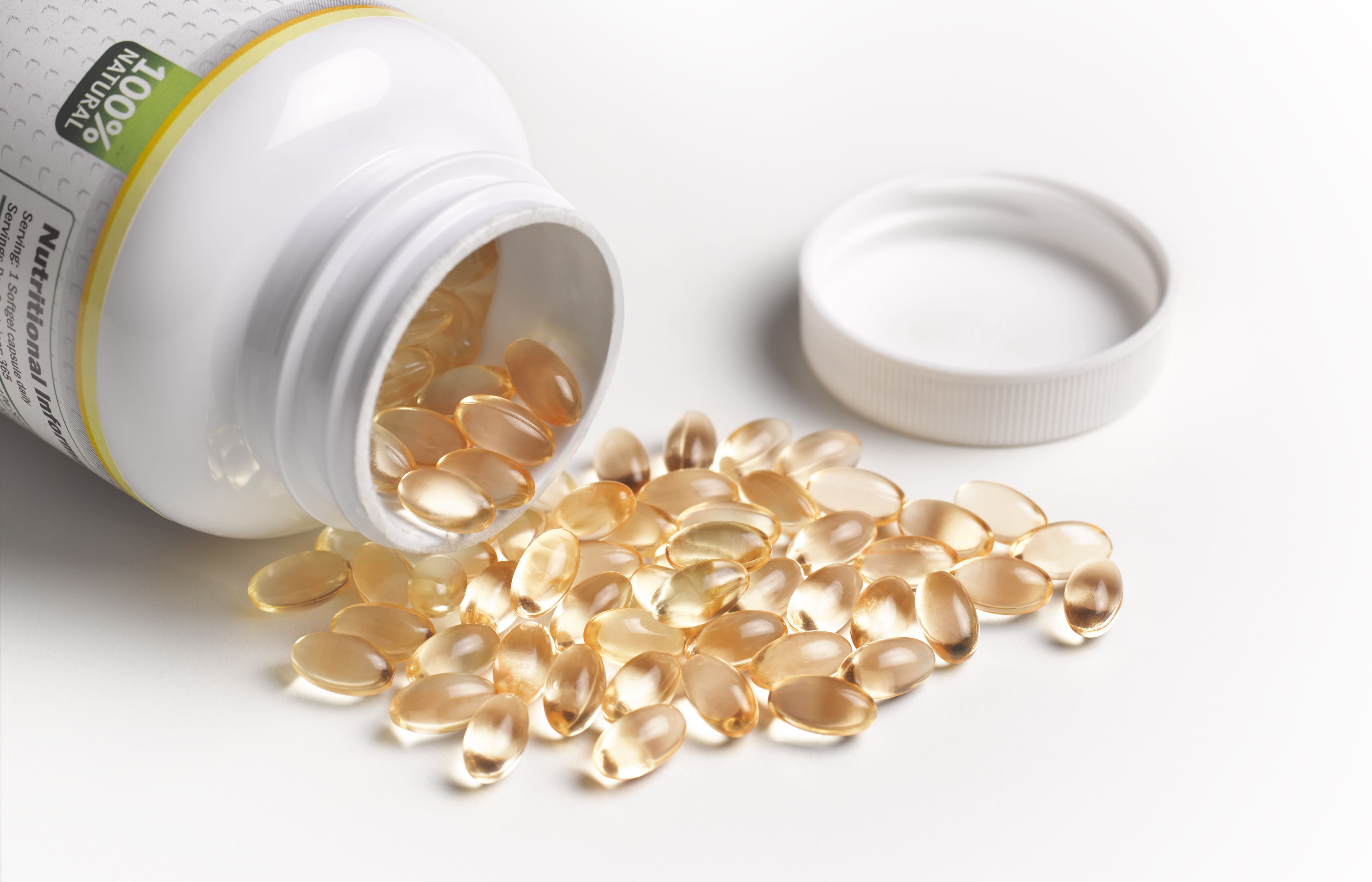
Recent scientific advances are shedding new light on vitamin D, often dubbed the "sunshine vitamin," revealing its potential to influence cellular aging, immune health, and a range of diseases. From preserving telomeres to combating autoimmune conditions and severe infections, vitamin D is emerging as a critical player in human health, though its benefits are not without complexities and caveats.
One of the most intriguing findings is vitamin D’s role in slowing cellular aging by preserving telomeres—the protective caps at the ends of chromosomes that shorten with age, contributing to cellular dysfunction. New studies suggest that adequate vitamin D levels may help maintain telomere length, potentially delaying age-related decline. This discovery has sparked interest in vitamin D as a modulator of longevity, prompting researchers to explore its broader anti-aging effects.
Beyond aging, vitamin D is being investigated for its potential to reduce the risk of autoimmune diseases, advanced cancers, and severe outcomes from COVID-19 and Long COVID. As an essential regulator of immune and metabolic functions, vitamin D helps modulate immune responses, reducing inflammation that can drive autoimmune conditions like rheumatoid arthritis or multiple sclerosis. In cancer research, preliminary studies suggest higher vitamin D levels may slow tumor progression in some advanced cases, though more clinical trials are needed. Similarly, during the COVID-19 pandemic, researchers observed that low vitamin D levels were associated with more severe cases and prolonged symptoms, leading to ongoing studies into its protective role against viral infections.
However, not all findings are conclusive. While vitamin D’s importance in bone health and immune function is well-established, its impact on non-communicable diseases like diabetes remains inconsistent. Some earlier studies suggested it could improve blood sugar control, but recent research has failed to consistently support this, highlighting the need for more robust data. Similarly, emerging research on vitamin D’s role in brain health—potentially reducing the risk of neurodegenerative disorders like Alzheimer’s—is promising but preliminary, requiring further exploration.
A pressing global issue is the widespread prevalence of vitamin D deficiency, driven by factors like limited sun exposure, darker skin pigmentation, and obesity, which impairs the body’s ability to produce or utilize the vitamin. This deficiency is particularly concerning given vitamin D’s multifaceted roles. To address it, experts emphasize the importance of fortified foods—such as dairy, cereals, and orange juice—and appropriate supplementation, tailored to individual needs based on factors like age, location, and health status. However, over-supplementation carries risks, such as toxicity, underscoring the need for balanced approaches guided by medical advice.
As research continues, vitamin D’s potential to influence aging, immunity, and disease prevention is becoming clearer, but gaps in knowledge remain. Ongoing studies aim to clarify its benefits and limitations, particularly for non-communicable diseases and brain health. For now, addressing global deficiency through diet, fortification, and supplementation remains a public health priority, offering a simple yet powerful tool to enhance health across populations.