The Dream Gets Tougher: New U.S. Visa Rules Challenge Indian Students in 2025
By Julee Bezbaruah | August 2025
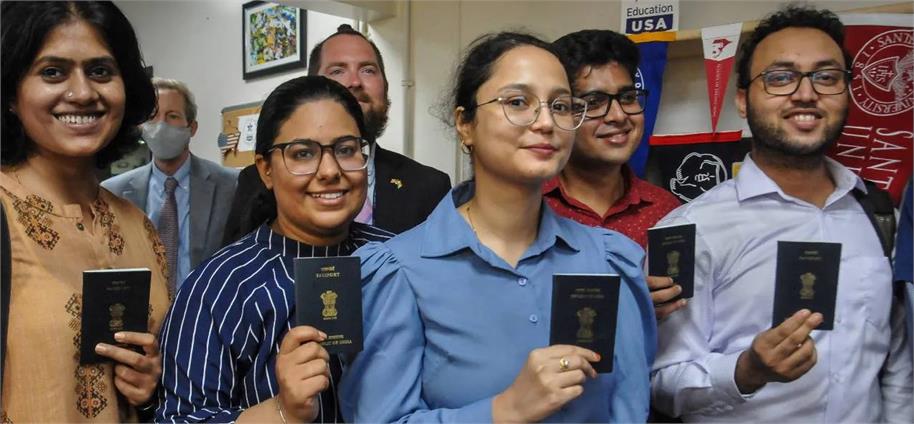
For decades, the United States has been the top destination for Indian students pursuing world-class higher education. But in 2025, the path to a U.S. degree is facing more hurdles than ever. Backed by former President Donald Trump and signed into law on July 4, the One Big Beautiful Bill introduces sweeping changes to student visa policies that are reshaping the international education landscape.
Here's what every student, parent, and education consultant needs to know.
New Fees for Student Visa Applicants
At the heart of the new policy are two new mandatory charges:
- Visa Integrity Fee: $250 (approximately ₹21,463)
- Form I-94 Tracking Fee: $24 (approximately ₹2,060)
These fees are non-negotiable and required for all applicants under the F (academic), M (vocational), and J (exchange) visa categories. The Form I-94, which tracks entries and exits, was previously free or included in other processes — now, it adds another financial burden to the application.
Social Media Under the Microscope
While the U.S. has required social media handles from visa applicants since 2019, 2025 brings a more invasive twist.
Now, the U.S. Embassy in India is requiring student visa applicants to make their social media profiles public. This includes platforms such as:
- X (formerly Twitter)
- TikTok
Officials say the goal is to improve transparency and catch red flags — such as posts that might suggest a visa overstay or anti-immigration sentiment. For students, this means a clean, professional online presence is more important than ever.
End of “Duration of Status”? Fixed Stay Limits Coming Soon
A major proposal — still under review but likely to pass — would end the current open-ended stay system for student visas.
Currently, students on F and J visas can stay in the U.S. for as long as they remain enrolled full-time in an academic program. This is known as "duration of status."
The proposed change would introduce fixed stay limits of 2 to 4 years, based on the type of course and institution. After this period, students would need to apply for extensions to remain legally in the country.
This policy could begin rolling out before the end of 2025, creating more red tape for international students.
What This Means for Indian Students
The Challenges:
- Increased costs at every stage — from visa applications to travel.
- Tighter scrutiny of personal and digital behavior.
- Less flexibility to change programs, delay graduation, or stay longer.
The Silver Linings:
- Students in STEM fields (Science, Technology, Engineering, Math) still enjoy strong support from U.S. institutions and agencies.
- AI, climate, and sustainability-focused programs are booming and welcome global talent.
- Many universities are expanding their services to help students navigate the evolving system.
What Can Students Do to Prepare?
If you're planning to apply for a U.S. student visa in 2025 or 2026, here are 5 steps to stay ahead:
- Apply Early: Consulates are processing record numbers of applications. Don’t wait until deadlines.
- Plan Your Budget: Factor in the new fees and possible longer processing times.
- Audit Your Social Media: Clean up or remove questionable content. Make sure profiles reflect your academic and professional goals.
- Stay Informed: Visa rules are changing rapidly. Monitor updates from the U.S. Embassy and Department of State.
- Strengthen Your Application: A well-written SOP, solid academic record, and clear career plan matter more than ever.
Is the American Dream Still Worth It?
Absolutely — but it’s evolving. The U.S. remains a global leader in education and innovation. For ambitious Indian students, it still offers unmatched opportunities. However, the route is more complex now, demanding more preparation, more transparency, and more resilience.
If you’re aiming to study in the U.S., now is the time to double down on your planning — and get expert help if needed.