Anti-Immigration Sentiment and Rising Costs Lead to 44% Drop in Overseas Education Remittances
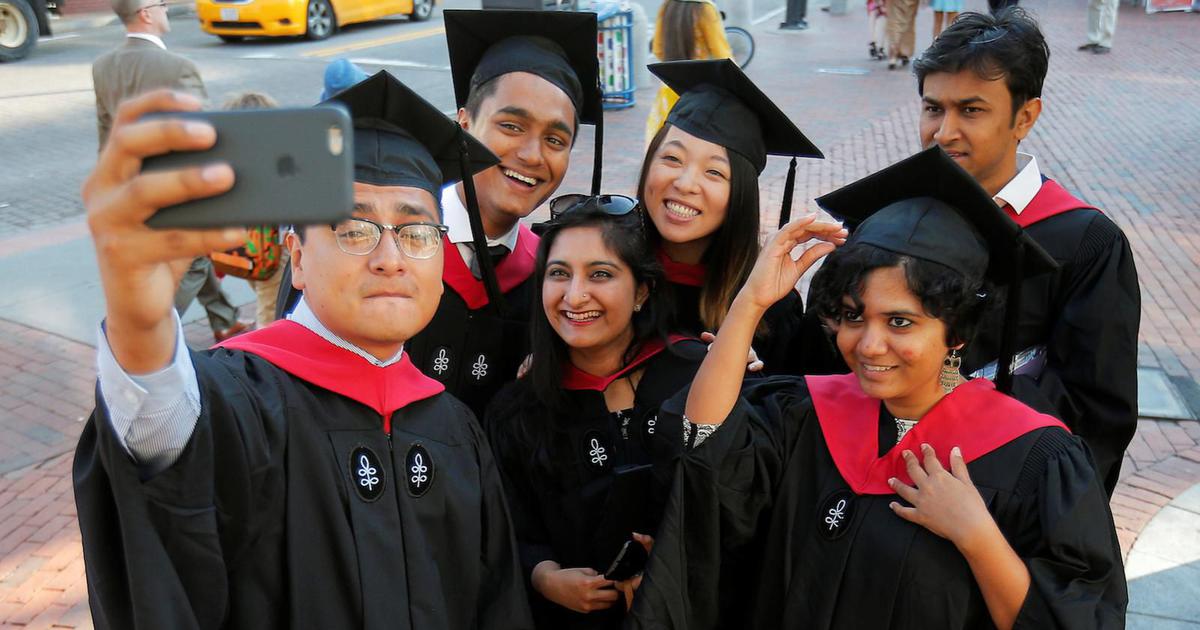
Amid rising anti-immigration sentiment across the West, the number of Indian students heading abroad for higher education is seeing a significant decline — with a corresponding sharp drop in education-related remittances. According to recent RBI data, outward remittances for education under the Liberalised Remittance Scheme (LRS) fell by 44% year-on-year during the April–July 2025 period.
This downturn is closely tied to several factors: tougher immigration policies, rising political tensions, and an increasingly expensive US dollar.
The US, traditionally a top destination for Indian students, has seen a steep decline in student visa arrivals — dropping to a four-year low in August, with a 50% fall specifically from India. Overall, international student arrivals to the US were down 19% year-on-year in August, marking the fifth consecutive month of decline, per data from the International Trade Administration.s
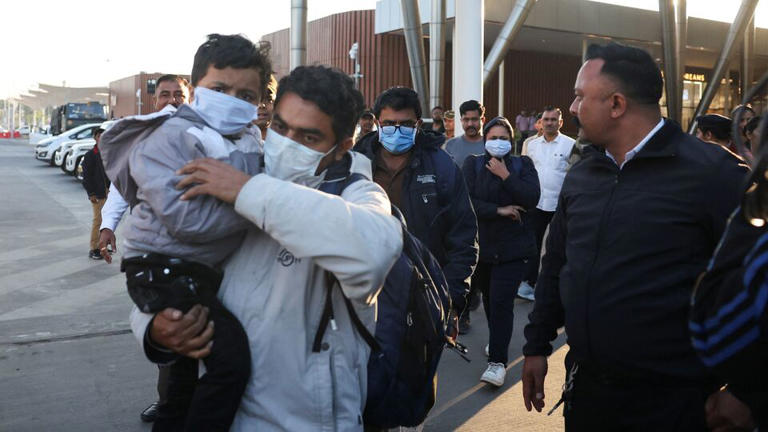
The Trump administration has intensified scrutiny of international students in recent years. This has included deportations of foreign nationals — including some Indian students — allegedly for their political views, particularly in the context of the Israel-Palestine conflict. Visa cancellations, delays, and increased scrutiny have further dissuaded prospective students.
To add to the burden, the Indian rupee has touched record lows against the US dollar, making overseas education more expensive than ever. The recent hike in visa fees for the H-1B category has also added to the perception that the US is becoming increasingly unwelcoming to immigrants — both students and skilled professionals.
A similar, though less severe, trend is visible in the UK. Indian student visas there dropped by 11%, while work visas saw a staggering 48% decline, contributing to an overall 32% fall in visa issuance.
While the data may point to a downward trend, education consultants and immigration experts believe the current dip is a temporary phase driven by global economic and political uncertainties.
“While the decline in remittances is certainly a concern, it’s important to recognize that this is just a temporary phase,” says Abhijit Zaveri, Founder & Director of Career Mosaic. “Economic fluctuations, shifting global policies, and changing financial priorities can cause such dips, but they often recover as markets stabilise and confidence in international education rebounds.”
Despite the current slowdown, demand for global education remains robust. According to the Ministry of External Affairs, around 1.8 million Indian students were studying overseas as of early 2025.