Hurdles of India's Education System of 250 Million Students, 1.5 Million Schools
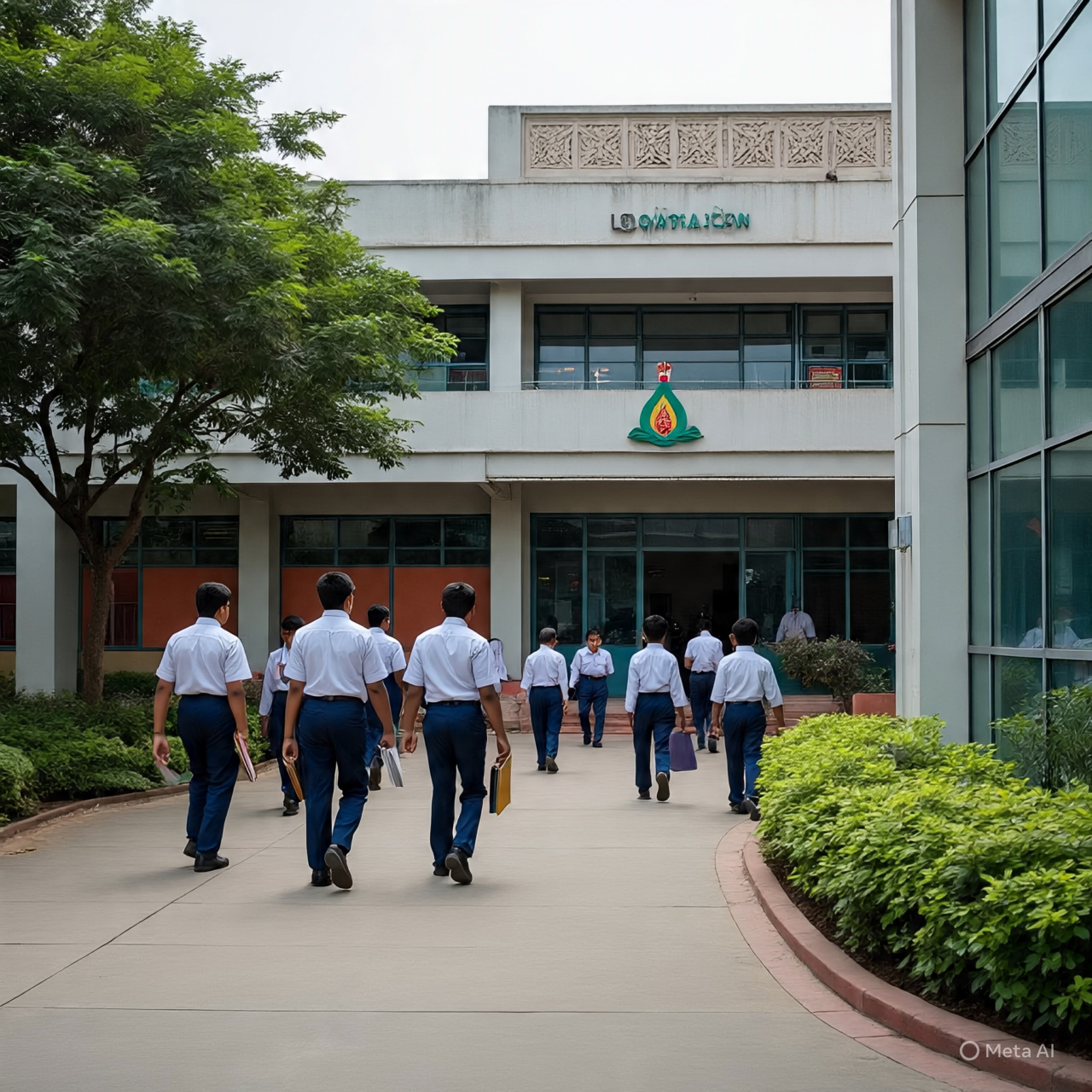
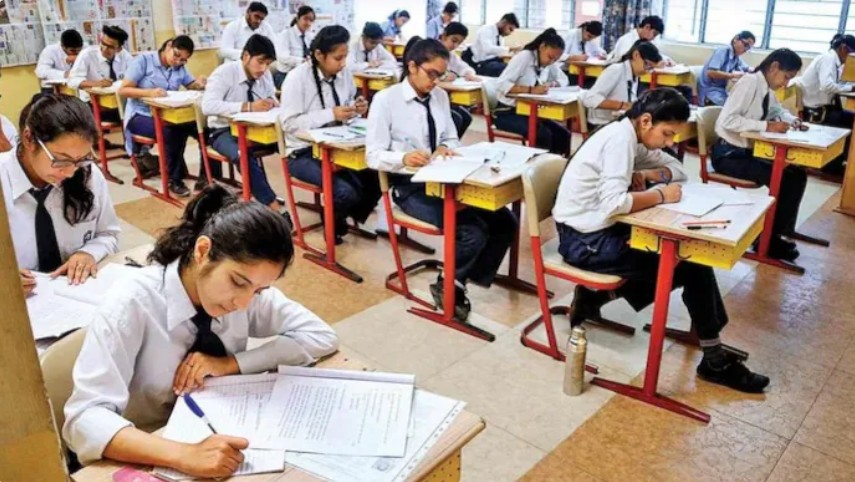
India's education network is one of the largest in the world, with 250 million students, over 1.5 million schools governed primarily by the Ministry of Education and guided by the National Education Policy (NEP) 2020.
Crossing a milestone with over 1 crore (10 million) school teachers at primary, upper primary, secondary, and higher secondary levels, teacher training is relatively strong overall, with about 91.4% of primary school teachers and 91.7% at upper primary levels being professionally trained.
Despite these numbers, there is not enough trained teachers to meet demand, leading to a severe shortage. Estimates indicate over one million teacher vacancies nationwide, particularly in rural and underserved areas. Government schools are hit hardest, with millions of students affected by understaffing.
For example, thousands of schools operate with a single teacher, violating the Right to Education Act norms and disproportionately impacting marginalized communities.
In urban areas like Delhi, shortages stem from accountability issues and competitive job markets, where teachers feel undervalued compared to sectors like IT.
Some analyses question the "myth" of an acute shortage, arguing that the one million figure includes sanctioned but unfilled posts due to bureaucratic delays rather than absolute scarcity, but the impact on education quality is undeniable.
The Ministry of Education acknowledges these gaps, with ongoing recruitment drives, but progress is slow amid infrastructure and funding constraints.
While NEP 2020 and its 2025 updates promise transformative changes- like promoting multilingualism, critical thinking, and digital equity- the system still grapples with several core deficiencies. Full implementation remains pending in many states, with challenges in areas like teacher training and curriculum rollout.
Here are the Key Shortcomings:
Outdated Curriculum and Teaching Methods: The system heavily relies on rote learning and theoretical knowledge, lacking emphasis on critical thinking, problem-solving, and practical skills. Curricula are often rigid and not aligned with global needs, with too much focus on exams rather than holistic development.While NEP aims to address this through skill-based learning, adoption is uneven.
Infrastructure and Resource Gaps: Many schools, especially in rural areas, lack basic facilities like adequate classrooms, libraries, labs, computers, and internet access. Overcrowding is common, with some classrooms holding too many students, and issues like zero-enrollment schools persist due to poor infrastructure. Technology integration is disrupted by a lack of devices and digital literacy, exacerbating the digital divide.
Inequality and Accessibility Issues: Education remains unaffordable for many, with high costs for higher education and private schooling widening the gap between urban/rural and rich/poor students.Gender, caste, and regional disparities persist, with marginalized groups facing barriers in access and quality. Post-pandemic challenges like mental health, chronic absenteeism, and nutrition further disproportionately affect vulnerable populations.
Teacher Shortages and Quality: As noted, vacancies and uneven training lead to overburdened educators and compromised learning outcomes.411c02 There's an imbalance between the quantity of teachers and their quality, with limited professional development opportunities.
Examination and Assessment System: High-stakes exams create immense pressure on students, fostering a culture of competition over creativity. Reforms like continuous assessment under NEP are progressing slowly.
Funding and Policy Implementation: Budget constraints limit investments in education, with NEP's ambitious goals facing delays due to resource shortages and bureaucratic hurdles.5e6526 While enrollment has improved, achieving universal quality education by 2030 remains challenging.
While India's education system has made strides under NEP, \addressing teacher shortages through faster recruitment and training, alongside investments in infrastructure and inclusive reforms, is crucial for equitable progress