Kerala Adds Governor’s Role to Class 10 Textbook During Ongoing Dispute
The four-page lesson appears in the chapter “Democracy: An Indian Experience” and describes the governor as a "nominal figure”, meaning they hold a position of authority but don’t actually have much real power. Instead, the real decision-making power lies with the state's Council of Ministers.
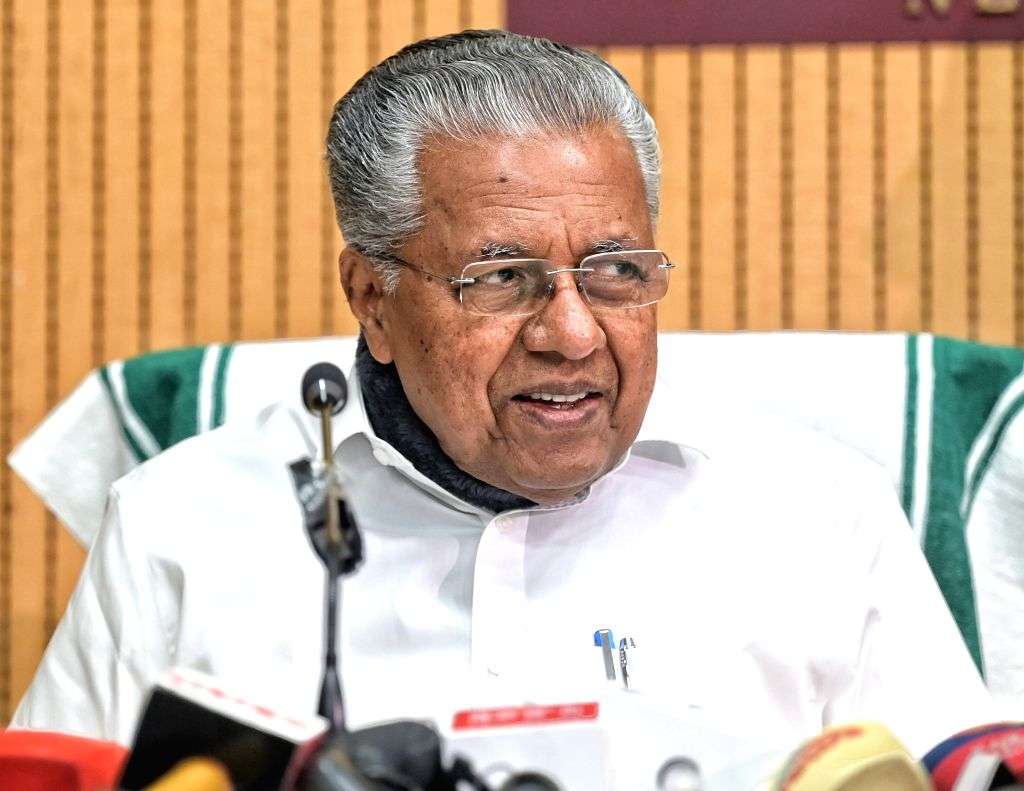
This change comes two months after Kerala’s Education Minister V. Sivankutty said the school curriculum would be updated to include information about the governor’s role. He made this announcement after walking out of an event at the Raj Bhavan (the Governor’s residence) because of a displayed image of Bharat Mata, which he claimed had political links.
Kerala’s government and the Governor, Rajendra Arlekar, have been in conflict for a while. Similar issues happened under the previous Governor, Arif Mohammed Khan, especially over bill approvals and university appointments.
The new textbook chapter also says that governors are often former army officials, civil servants, or politicians. It points out that both Arlekar and Khan were part of the BJP before becoming governors.
The lesson explains that the governor can only do three things when the state legislature passes a bill:
1. Sign it into law,
2. Send it back once, or
3. Send it to the President of India.
If the state assembly passes the same bill again after it was sent back, the governor is expected to sign it. The chapter refers to the Sarkaria Commission, which in 1983 recommended and appointing active politicians as governors, giving more financial freedom to states,making sure the governor is chosen in consultation with the state’s chief minister, ensuring governors are neutral, especially in states ruled by parties different from the Centre.
Minister Sivankutty said the new chapter is important for anyone who supports democracy.

You Might Also Like