Zubeen Garg's Journey from Assam's Heartthrob to a Heartbreaking End

Born Zubeen Borthakur on November 18, 1972, in the town of Tura, Meghalaya, to an Assamese Brahmin family, Garg was destined for a life interwoven with melody and misfortune. His father, Mohini Mohon Borthakur, was a magistrate, lyricist, and poet known as Kapil Thakur, who gave him the gift of words, and his mother, Ily Borthakur, a talented singer, encouraged his earliest notes.
Named after the legendary conductor Zubin Mehta, young Zubeen began humming tunes at the tender age of three, his voice a bridge between tradition and innovation. Garg's childhood was saturated in the rhythms of Assamese folk music, guided by luminaries like Guru Ramani Rai. He learned the tabla under Pandit Robin Banerjee for over a decade and mastered a dozen instruments, from the dotara to the harmonium.
Academically inclined, he completed his matriculation at Tamulpur Higher Secondary School and pursued higher secondary studies at Karimganj College. Enrolling in a Bachelor of Science program at B. Borooah College in Guwahati, Garg soon realized his true calling lay not in textbooks but in the melodies of song. He dropped out to chase his dreams.
It is said no chapter in Zubeen Garg's life cast a longer shadow than the untimely death of his younger sister, Jonkey Borthakur. At just 18, the aspiring actress and singer whose talent mirrored her brother's met a tragic end on January 12, 2002, in Assam's Sonitpur district. Jonkey was traveling with siblings and co-artists to perform at a stage show near Tezpur. Their vehicle met with a devastating road accident in Balipara, claiming her life instantly.
The loss devastated the Borthakur family, leaving Zubeen, then 29 and on the brink of his own fame, grappling with an abyss of grief. Jo. The tragedy haunted him, surfacing in interviews where he spoke of it as a wound that never fully healed, influencing his lyrics and lending an undercurrent of melancholy to even his most jubilant tracks.
Undeterred by sorrow, Zubeen Garg's professional ascent was meteoric. He adopted the surname "Garg" from his family's Brahmin gotra, and launched his career with the Assamese album Anamika in November 1992, at the age of 19. Hits like Xapunor Xur (1992), Junaki Mon (1993), Maya (1994), and Asha (1995) established him as Assam's prodigal son. In 1995, he ventured to Mumbai, debuting in Bollywood with the Indipop album Chandni Raat. His playback singing soon captivated audiences: from the soulful tracks in Gaddaar (1995) and Dil Se (1998) to the iconic "Ya Ali" in Gangster (2006), which clinched him the Best Playback Singer award at the Global Indian Film Awards.
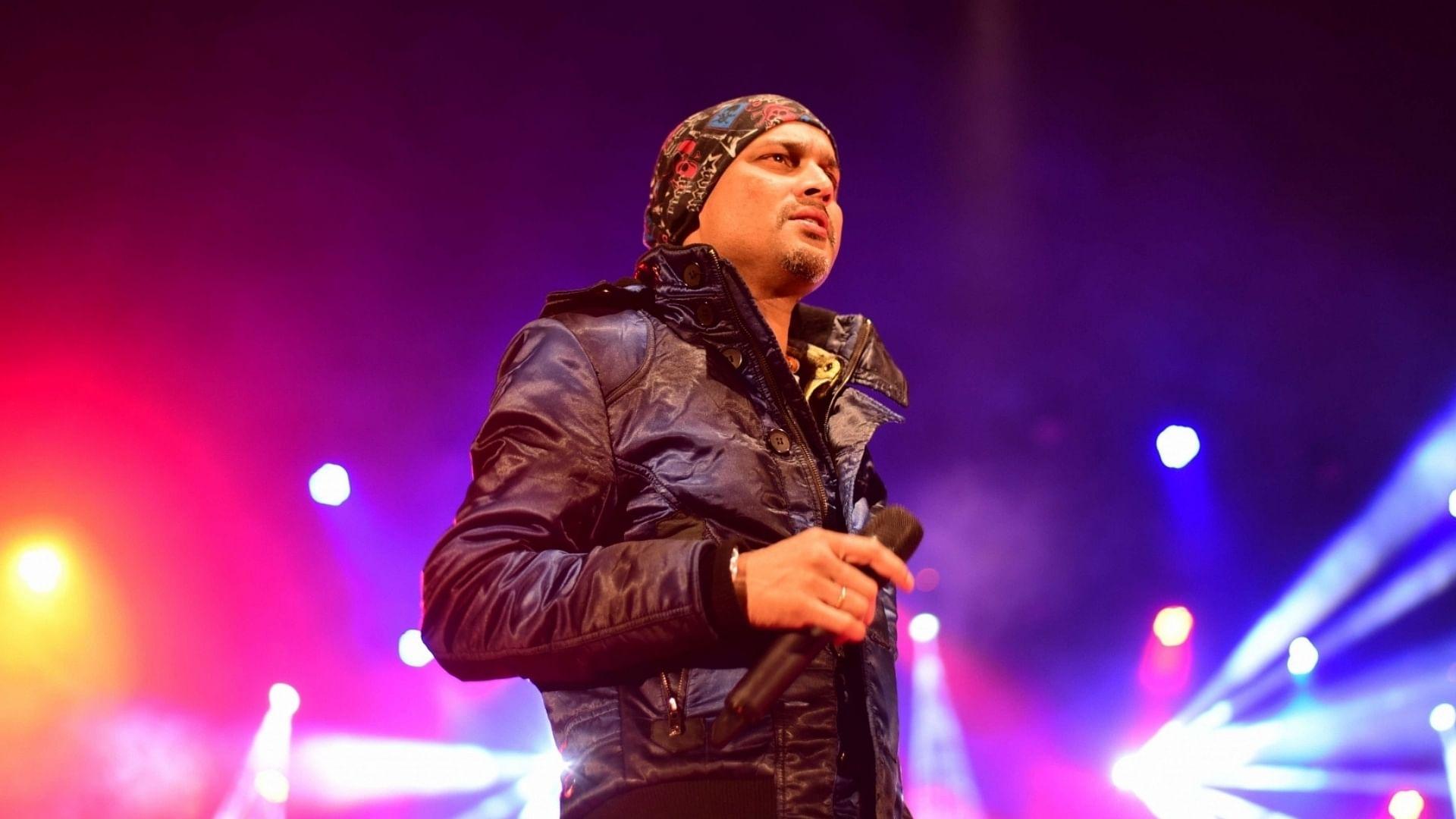
Garg's versatility knew no bounds. Over three decades, he crooned more than 32,000 songs across 40 languages, blending Assamese folk with Hindi pop and Bengali ballads. A multi-hyphenate maestro—singer, composer, music director, lyricist, actor, director, producer, and even poet, he helmed films like Mission China (2017) and penned poetry collections such as Xabda Anubhuti (2009) and Zubeenor Podyo (2018). Honors poured in: the National Film Award for Best Non-Feature Film Music Direction for Echoes of Silence (2009), and an honorary Doctor of Literature from the University of Science and Technology, Meghalaya, in 2024. To his legions of fans, he was simply "Zubeen Da" - Assam's cultural icon, a voice that rallied against social ills and celebrated the Northeast's spirit.
On a personal front, Garg found solace in love, marrying fashion designer Garima Saikia from Golaghat, Assam, on February 4, 2002—just weeks after Jonkey's passing. The union, marked by quiet strength, grounded him amid the whirlwind of stardom. He professed no rigid faith, embracing an irreligious ethos free from caste or creed, and often used his platform for advocacy, from environmental causes to regional pride.
Fate, however, proved as unrelenting as it was ironic. On September 19, 2025, just a day before he was slated to headline the North East India Festival in Singapore, Zubeen Garg's life ended in a freak accident at the age of 52. In the tropical waters off Singapore's coast, during what was meant to be a leisurely swimming session—described variably as scuba diving in some reports—Garg experienced sudden breathing difficulties, likely triggered by a seizure. Without a life jacket, he fell unconscious into the sea, his body succumbing to the depths before rescue teams could intervene.
Eyewitnesses and his manager recounted the horror: Garg, ever the adventurer, had ventured out for a dip to unwind after rehearsals. But a momentary lapse—perhaps the absence of safety gear—turned recreational bliss into tragedy. CPR was administered on-site, and he was rushed to Singapore General Hospital's intensive care unit. Doctors fought to revive him, but around 2:30 p.m. IST, the man whose voice had breathed life into countless souls was pronounced dead.
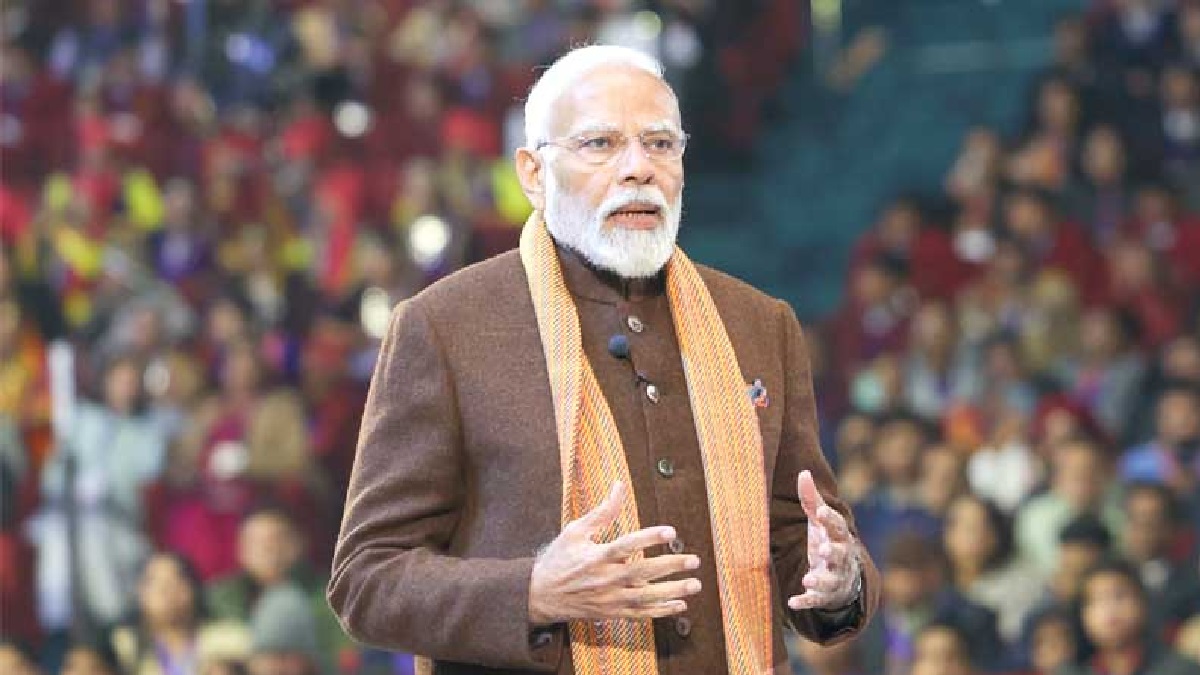
The news rippled across from Guwahati's streets to Mumbai's stunned studios, with tributes flooding in from Prime Minister Narendra Modi and Assam Chief Minister Himanta Biswa Sarma, who hailed him as "the heartbeat of Assam."
His other sister, Dr. Palme Borthakur, who had once shared health updates during his 2020 illness, now faced the unimaginable task of mourning another. He is survived by his wife, father, and younger sister.
Zubeen Garg's death at 52 closes a chapter but amplifies his legacy. From the folk anthems that stirred Assamese pride to the Bollywood anthems that crossed borders, his music was a lifeline for the marginalized, a balm for the heartbroken. In losing Jonkey, he learned resilience; in his own passing, he leaves a void that no playlist can fill. As fans gather in vigil, humming "Ya Ali" under monsoon skies, one truth resonates: While India weeps, Zubeen Da lives on. Death is a brush with destiny, and Zubeen has moved on to become a brighter light.

You Might Also Like