Have to counter school dropout issue with multimode strategy: Union Education Minister Dharmendra Pradhan
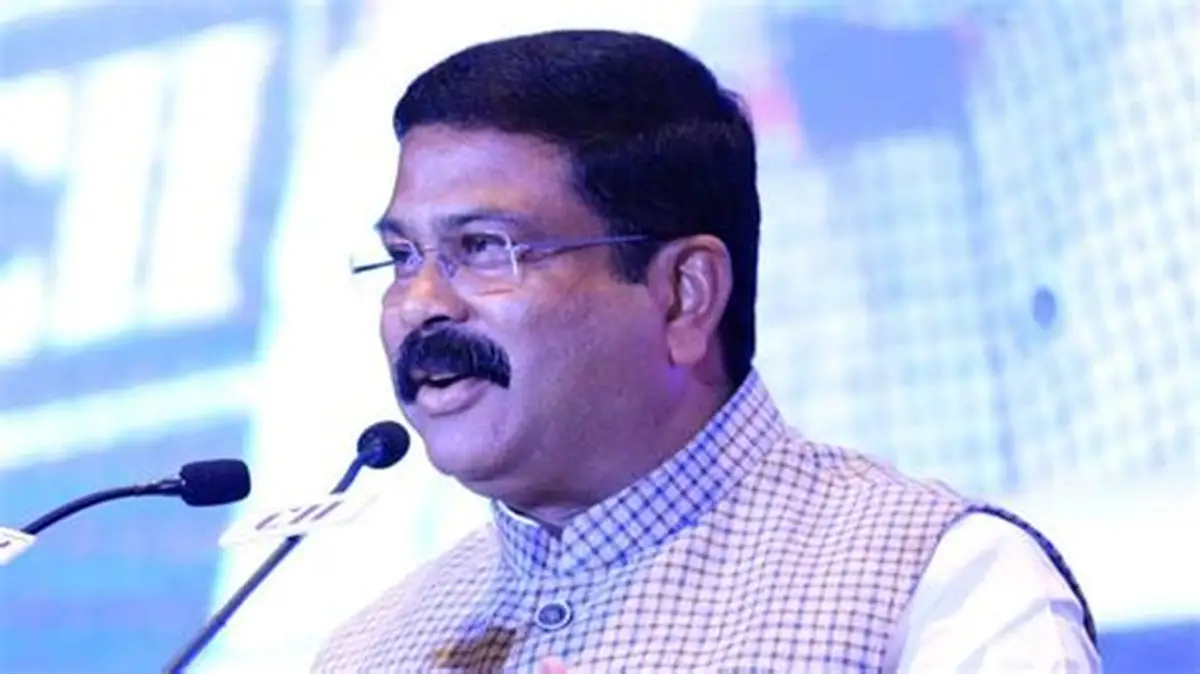
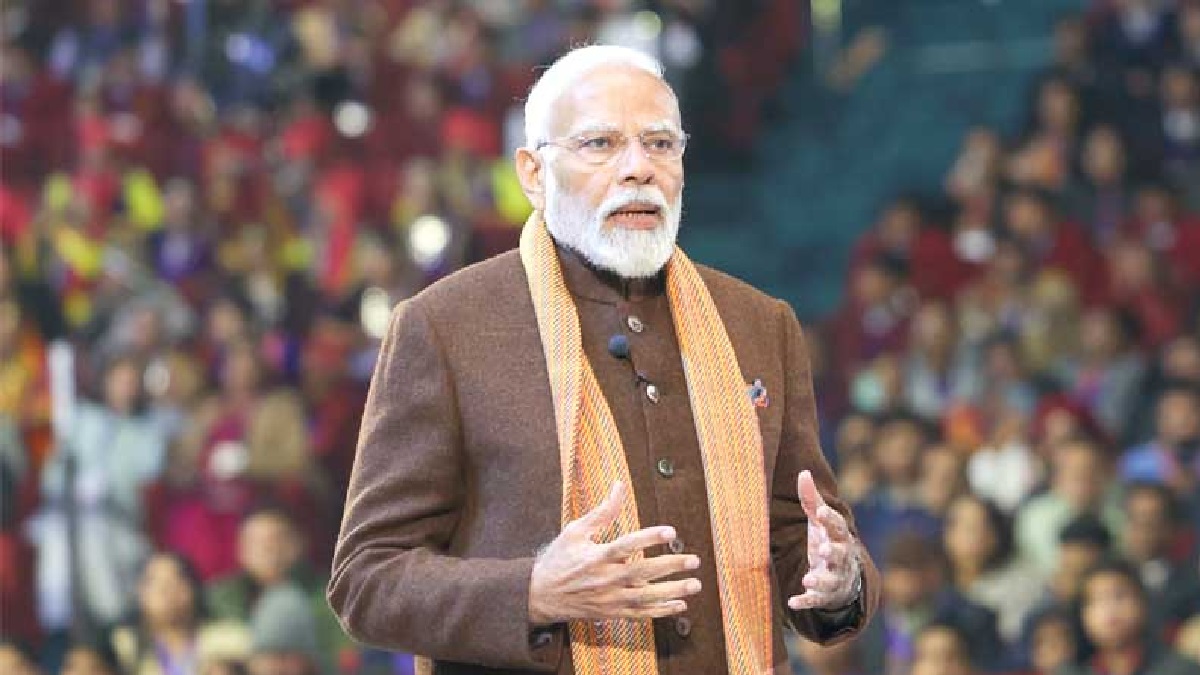
In a recent conversation with The Hindu’s Political Editor Nistula Hebbar and Senior Deputy Editor A.M. Jigeesh at The Hindu Mind, Union Education Minister Dharmendra Pradhan addressed the pressing issue of student dropout rates in Indian schools.
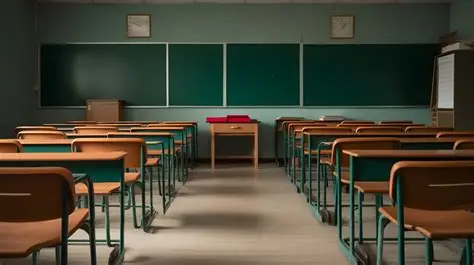
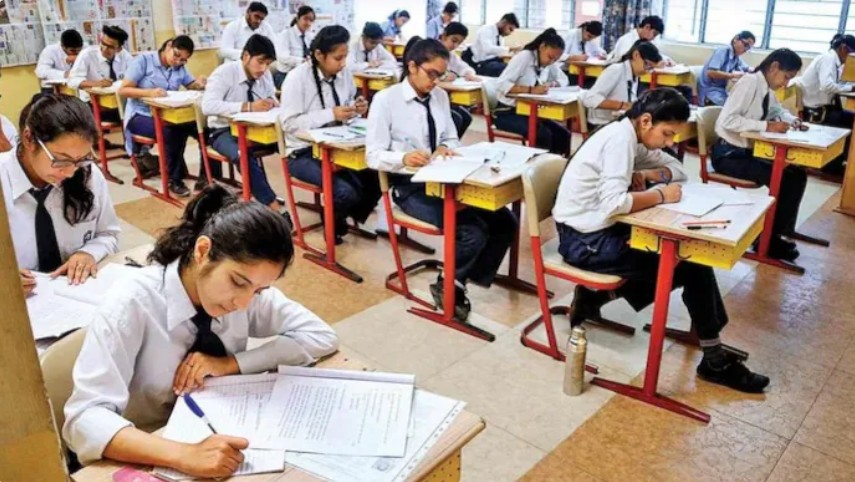
Minister Pradhan highlighted a critical challenge in India’s education system: while enrolment at the entry level (Class 1) is nearly universal, there is a noticeable decline in student retention as they progress through the system. "Currently, there’s almost a 100% enrolment at the entry level in school. However, as students approach Standard 10, dropouts start, and there is a sizeable dropout in Standard 12," he noted. This trend of increasing dropout rates, particularly in higher secondary education, poses a significant barrier to achieving equitable and inclusive education for all.
The issue of dropouts is multifaceted, influenced by factors such as socio-economic challenges, lack of engagement in the curriculum, regional disparities, and inadequate infrastructure in schools, particularly in rural and underserved areas. If unaddressed, this trend could hinder India’s ambition to become a developed economy by 2047, as a skilled and educated workforce is essential for economic progress. Mr. Pradhan underscored the importance of ensuring that every child who enters Class 1 completes their education through Class 12, creating a "level-playing field" for all students. To tackle the dropout crisis, Mr. Pradhan proposed a "multimode strategy" that integrates diverse approaches to make education more accessible, engaging, and relevant. Investments in school facilities, such as libraries, laboratories, and sanitation, along with professional development for teachers, can create a conducive learning environment. Teachers trained in inclusive education practices can better support diverse learners, reducing dropout risks.While he did not elaborate on the specific components of this strategy during the conversation, the term suggests a holistic framework that could include a combination of policy interventions, technological innovations, pedagogical reforms, and community engagement. Below are some potential elements of a multimode strategy, inferred from the minister’s remarks and the broader context of India’s education policy: Mr. Pradhan emphasized the need for students to have the freedom to choose subjects that align with their interests and aspirations. By diversifying the curriculum and offering a range of academic and vocational subjects, schools can make education more appealing and relevant, particularly for students in higher classes where dropout rates are higher. The National Education Policy (NEP) 2020, which Mr. Pradhan has championed, supports this approach by promoting multidisciplinary learning and flexibility in subject choices. The minister stressed that "education shouldn’t instil fear in students." A rigid, exam-centric education system can discourage students, particularly those who struggle academically or face external pressures. A multimode strategy could involve adopting student-centered pedagogies, such as project-based learning, experiential activities, and continuous assessment, to make learning more engaging and less intimidating. Creating a supportive and inclusive classroom environment is key to retaining students who might otherwise drop out due to academic stress or disinterest.
He drew out how technology can play a pivotal role in addressing dropouts, especially in remote and underserved areas. Initiatives like online learning platforms, digital classrooms, and mobile-based educational resources can ensure that students have access to quality education regardless of their location. The NEP 2020 emphasizes the integration of technology in education, and programs like DIKSHA (Digital Infrastructure for Knowledge Sharing) could be expanded to bridge gaps in access and retention.
Dropout rates are often higher among marginalized communities, including girls, students from economically disadvantaged backgrounds, and those in rural areas. A multimode strategy could include scholarships, free learning materials, transportation facilities, and community outreach programs to address socio-economic barriers. Special focus on girls’ education, such as providing safe schooling environments and incentives, could help reduce gender-based dropouts. To make education more appealing by Standard 12, integrating vocational training and skill development into the curriculum can prepare students for immediate employment opportunities. This aligns with the NEP’s focus on vocational education, which aims to equip students with practical skills alongside academic learning, making education more relevant to their future goals.
Mr. Pradhan tied the need to address dropout rates to India’s long-term goal of becoming a developed economy by 2047, the centenary of independence. A skilled and educated population is critical to achieving this vision, as education drives economic growth, innovation, and social mobility. By ensuring that students remain in school through Class 12, the government aims to build a robust human capital base capable of meeting the demands of a rapidly evolving global economy.
The minister’s remarks reflect the broader objectives of the NEP 2020, which seeks to achieve universal access to quality education, reduce dropout rates, and promote lifelong learning. By creating a seamless educational journey from Class 1 to Class 12, the government aims to ensure that no child is left behind, regardless of their socio-economic background or geographic location.
Union Education Minister Dharmendra Pradhan’s call for a multimode strategy to address school dropout rates underscores the urgency of ensuring that every child completes their secondary education. By making education flexible, inclusive, and engaging, the government aims to sustain the near-100% enrolment rate from Class 1 through Class 12, paving the way for a skilled and empowered workforce by 2047. As India continues to implement the NEP 2020, the focus on reducing dropouts through innovative and multi-pronged approaches will be critical to achieving equitable and quality education for all.

You Might Also Like