India's Education Landscape Continues to Evolve Rapidly Under NEP 2020
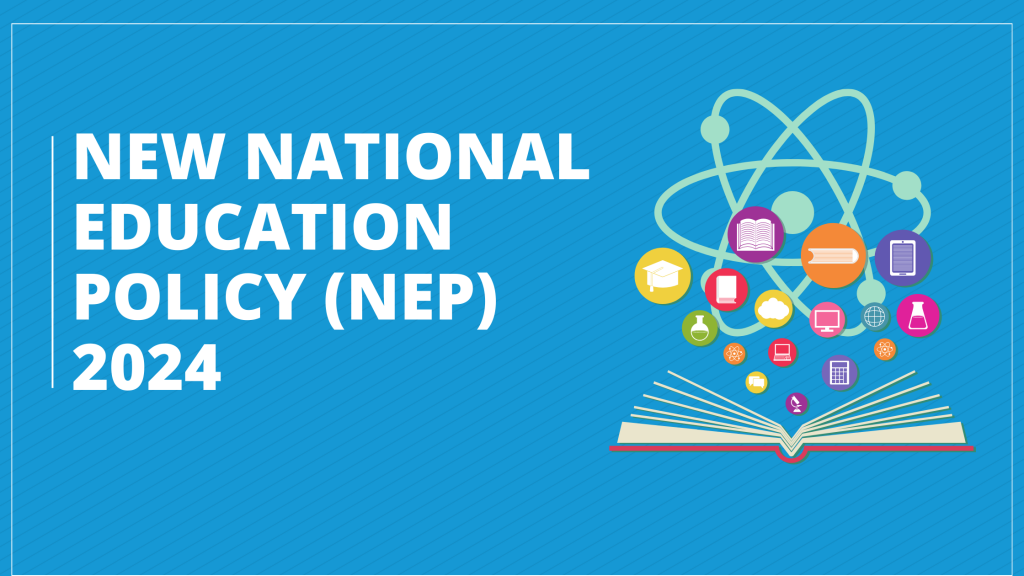
India's education landscape continues to evolve rapidly under the framework of the National Education Policy (NEP) 2020, with 2025 marking a pivotal year for implementation. Building on NEP's foundational reforms, the year has seen accelerated focus on structural changes, digital integration, skill development, and international collaboration.
Teacher Training: Continuous professional development is mandatory, with 50-hour annual training modules to align with NEP’s learner-centric goals. However, teacher absenteeism (~25% in some regions) is a hurdle. Of note, scholarships like the Azim Premji Foundation Scholarship 2025 and state schemes (e.g., Assam’s Nijut Moina) are boosting female and marginalized student enrollment.
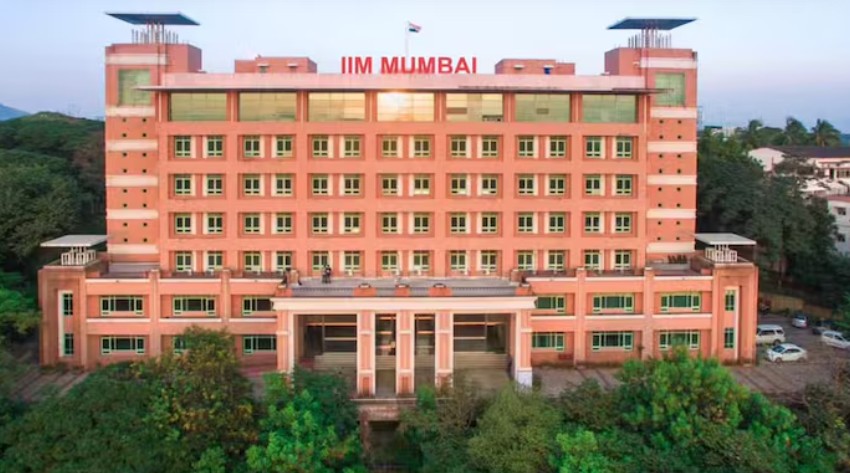
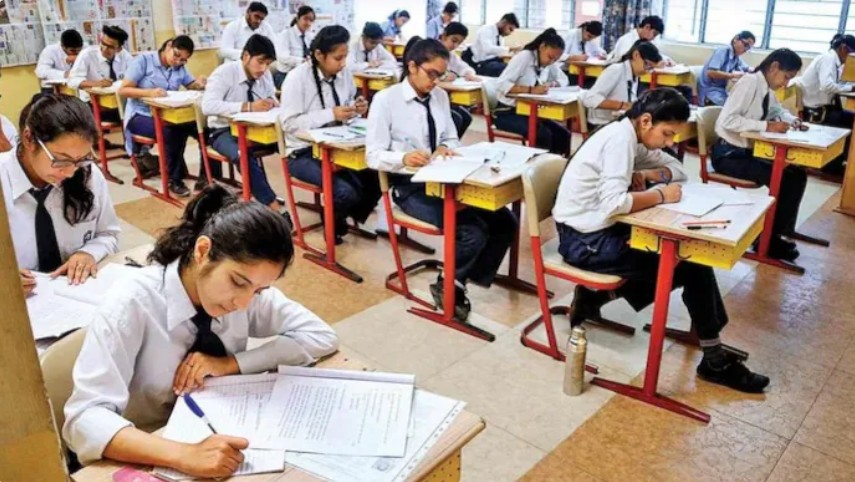
Challenges include uneven state-level adoption, infrastructure deficits, and resistance to changes like biannual exams. The Union Budget 2025 allocated ₹1.24 lakh crore to bridge these gaps, focusing on digital infrastructure and research. The National Education Policy (NEP) 2020 has ushered in transformative changes to India's education system, yielding significant positive impacts by 2025. By replacing the rigid 10+2 structure with a flexible 5+3+3+4 framework, NEP ensures holistic development from early childhood, emphasizing foundational literacy and numeracy while integrating vocational skills from Class 6. This shift fosters critical thinking and creativity, moving away from rote learning, with biannual board exams and AI-based Personalized Adaptive Learning (PAL) reducing student stress and tailoring education to individual needs. The policy’s focus on digital platforms like PM e-VIDYA and DIKSHA has expanded access to quality education, especially in remote areas, while initiatives like scholarships and state schemes (e.g., Assam’s Nijut Moina) promote inclusivity, boosting enrollment among girls and marginalized groups. NEP’s emphasis on multidisciplinary learning and global expansion of institutions like IITs and IIMs is equipping students with 21st-century skills, enhancing India’s educational competitiveness worldwide.

You Might Also Like