Tragedy Averted - Ariana Afghan Flight Unmasks Vulnerabilities from the Global South Navigating Unequal Skies
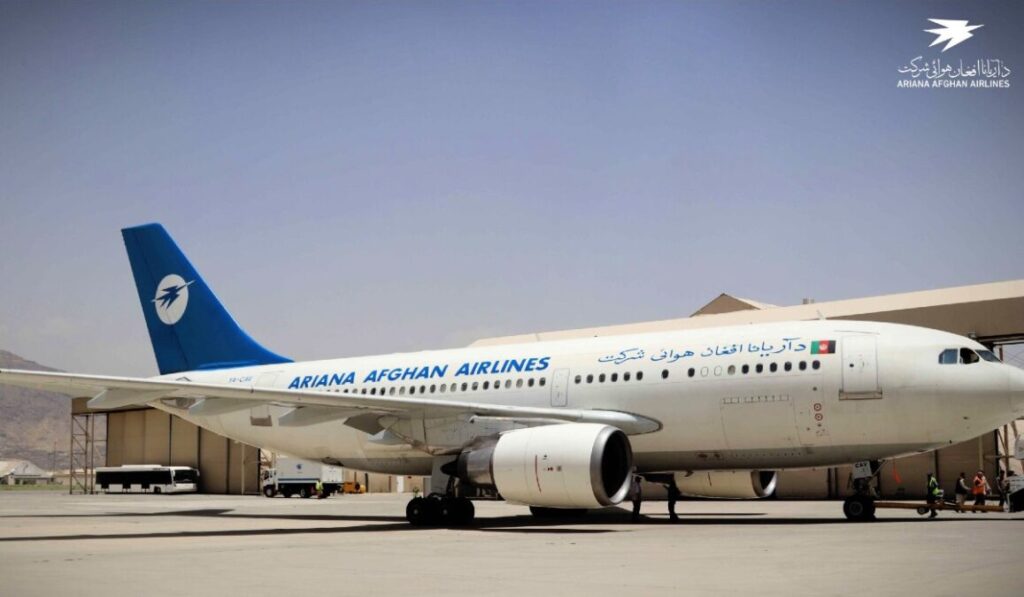
November 24, 2025 – In a heart-stopping lapse that could have spiralled into tragedy, an Ariana Afghan Airlines flight from Kabul touched down on the wrong runway at Indira Gandhi International Airport yesterday afternoon, narrowly escaping what aviation experts are calling a "catastrophic collision course."
The incident, unfolding at precisely 12:06 p.m. on Sunday, November 23, has ignited urgent discussions on the fragility of air traffic protocols in an era of surging global travel and strained international relations.
The flight, Ariana Afghan Airlines FG-XXX – a routine service carrying an undisclosed number of passengers and crew from the Afghan capital – was cleared for landing on Runway 29L, the airport's primary arrival strip amid Delhi's notorious afternoon haze. But in a moment of miscommunication or navigational error, the aircraft veered onto parallel Runway 29R, typically reserved for departures.
Eyewitnesses on the ground described the scene as surreal: the plane's undercarriage touching the tarmac of the "wrong" runway, tyres screeching in a plume of rubber and dust, while air traffic controllers raced to halt any impending takeoffs.
Miraculously, no departing aircraft occupied 29R at that critical instant. The Boeing 737-400, a workhorse of Ariana's modest fleet, rolled to a safe stop without incident, and all aboard disembarked unharmed.
Passengers, many of whom were Afghan expatriates returning from Hajj pilgrimage routes or business ties in India, emerged shaken but grateful, sharing hushed stories of mid-air turbulence and the sudden jolt of an unexpected touchdown. "We felt the plane hesitate, then drop harder than usual," recounted one anonymous traveller via social media. "Alhamdulillah, it was like the angels cleared the path."
Aviation authorities at Delhi's Directorate General of Civil Aviation (DGCA) confirmed the breach in a terse evening statement, praising the "swift response of air traffic control" while announcing a formal investigation. Preliminary reports point to a possible "readback-hearback" error – where the pilot's acknowledgement of landing instructions is misheard or misinterpreted by controllers – compounded by language barriers and the high-decibel cacophony of a busy hub handling over 1,300 flights daily. Indian officials, in a diplomatic nod to Kabul, plan to issue a formal advisory to Ariana Afghan Airlines, urging enhanced crew training and simulator drills for high-traffic international corridors.
This wasn't the first close call for Ariana. Just last August, a similar Boeing 737-400 overran the runway at Khost Airport during takeoff, scraping fences and igniting debates on maintenance standards in a nation where aviation infrastructure remains a casualty of decades of strife.
The shadowy 1998 crash of Flight 701 near Kabul was a grim reminder of how geopolitics once weaponised civilian skies.
The Air India Flight 171, which lay covered in questions, now reveals a previously overlooked technical snag: a worn-out locking pin in the Captain's seat. Earlier vibration tests had shown slippage, and senior staff had issued warnings that were never escalated. Boeing's top management also ignored them. A systemic failure that placed cost-cutting, production speed and bureaucracy over human life - is that the new "approach" of running airlines?
This recent averted disaster, by contrast, feels almost mundane – a human error in a system strained by post-pandemic booms and geopolitical tightropes – yet it underscores a stark truth: aviation's veneer of precision masks deep vulnerabilities, especially for carriers from the Global South navigating unequal skies.