Jawaharlal Nehru: The Architect of Modern India
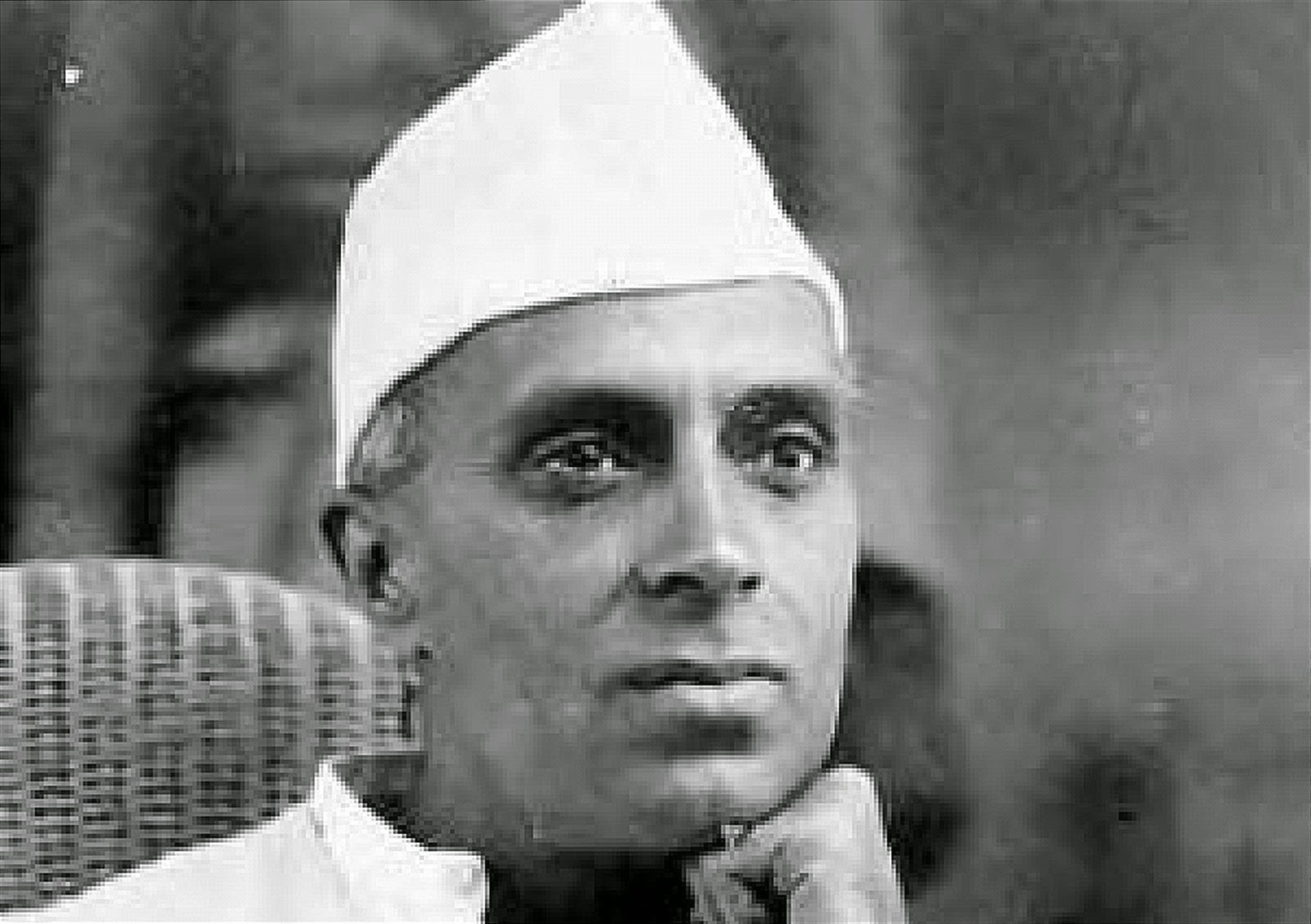
In the smoky dawn of August 15, 1947, as a free India awoke to its first day of independence, one man stood at the ramparts of the Red Fort in Delhi, his voice trembling with emotion yet steady with resolve. “At the stroke of the midnight hour, when the world sleeps, India will awake to life and freedom,” Jawaharlal Nehru declared in his famous “Tryst with Destiny” speech. That moment did not just mark the end of two centuries of British colonial rule, which crowned Nehru as the face of a new nation, a romantic revolutionary turned statesman who would shape India for the next seventeen turbulent years.
Born on November 14, 1889, in Allahabad into a wealthy Kashmiri Brahmin family, Nehru’s early life seemed destined for privilege rather than prison. Educated at Harrow, Cambridge, and the Inner Temple in London, he returned to India in 1912 as a polished barrister with a taste for Western liberalism and Fabian socialism. Yet the sight of British arrogance and the growing nationalist fire ignited by Mahatma Gandhi transformed him. By the 1920s, the suave young lawyer was courting arrest, spending over nine years in British jails more than any other major Congress leader except perhaps Gandhi himself. In prison, he wrote Glimpses of World History and The Discovery of India, lyrical masterpieces that blended scholarship with passionate patriotism and revealed a mind that dreamed in centuries, not election cycles.
When independence finally came, Gandhi insisted the Congress crown Nehru as India’s first Prime Minister. At 58, he was youthful, charismatic, and secular - the perfect antidote to the religious passions that had torn the subcontinent apart during Partition. Nehru’s vision was breathtakingly ambitious: a democratic, socialist, non-aligned India that would industrialize rapidly, abolish caste untouchability, and stand tall among nations without joining Cold War blocs. Steel plants rose at Bhilai, Rourkela, and Durgapur with Soviet help; dams like Bhakra-Nangal were hailed as “the new temples of modern India.” The Indian Institutes of Technology and the Atomic Energy Commission were his gifts to a future he believed belonged to science and reason.
Yet the dreamer was also a man of contradictions. The same Nehru who spoke eloquently of democracy centralized power to an extraordinary degree, sidelining rivals and building a Congress machine that brooked little dissent. His “Hindi-Chini bhai-bhai” policy of friendship with China collapsed catastrophically in the 1962 border war, shattering his prestige and, many believe, his health. Critics, then and now, accuse him of romantic naivety in foreign affairs, of pampering a bloated public sector that would later choke the economy, and of laying the seeds of dynastic politics by grooming his daughter Indira.
Nehru died on May 27, 1964, broken-hearted after the China debacle, yet still beloved by millions who called him simply Chacha Nehru or Uncle Nehru, especially children, for whom he made his birthday India’s Children’s Day. His legacy is contested fiercely: to some, he is the visionary who kept a fractious nation together and gave it self-respect; to others, the well-meaning aristocrat whose policies mortgaged India’s potential for decades.
Seventy years after his death, every Indian still lives in the house that Nehru built its foundations strong, its walls cracked, its rooms endlessly argued over. Few leaders have so captured a nation’s imagination and its contradictions in one lifetime. In the end, Nehru was neither saint nor villain, but something more human and more enduring: the first author of independent India’s unfinished story.