Karnataka's Big Push for Extended Reservations In Private Institutions and Two-Language Policy
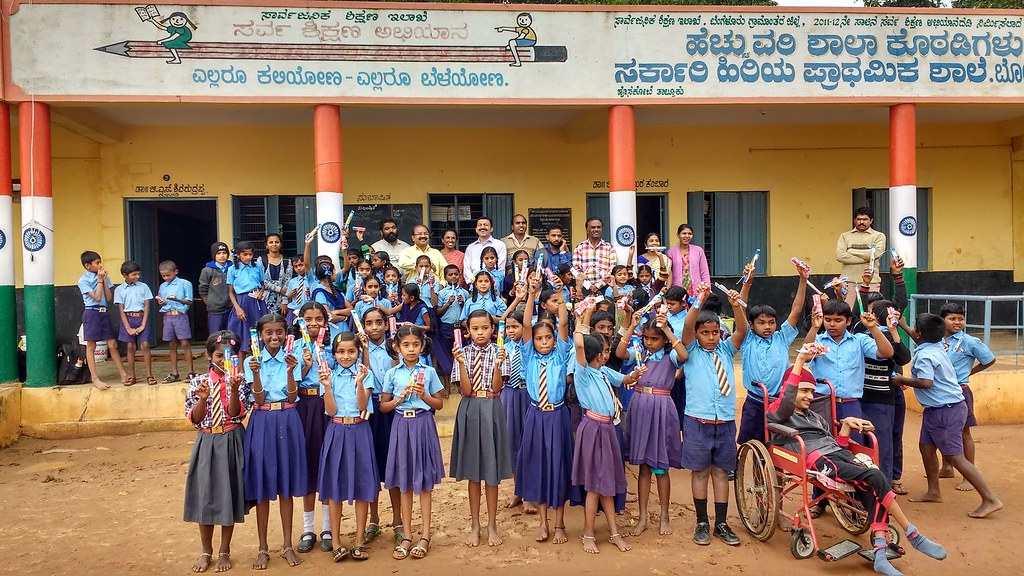
Karnataka is set to change the education system with reforms proposed by the Karnataka State Education Policy Commission.
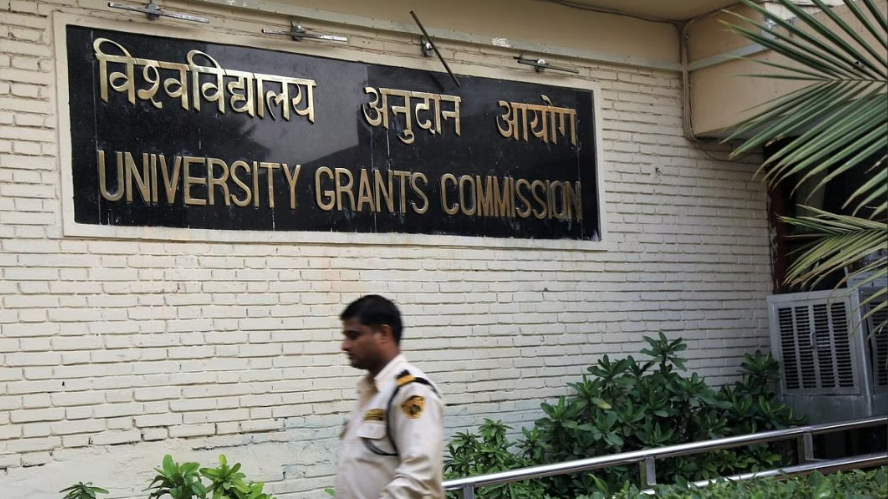
Headed by economist and former UGC Chairman Prof Sukhadeo Thorat, the commission has submitted a comprehensive report to Chief Minister Siddaramaiah, outlining significant changes in both school and higher education tailored to the state's unique socio-cultural, linguistic, and economic realities.
Some of these are making Kannada or mother tongue as medium of instruction up to Class 5 across all school boards; localized curriculum content through a Comprehensive Curriculum for School Education (CCSE), moving away from NCERT textbooks; regulation of private pre-primary schools and introduction of a dedicated regulator for private schools adoption of a 2+8+4 structure: two years of pre-primary, eight years of primary, and four years of secondary education.
For higher education, the state's reservation policy is proposed to extend to private unaided institutions, including universities and colleges, bilingual teaching in higher education institutions, using Kannada or mother tongue alongside English; increased the education budget with allocation of 30% of the state's total expenditure to education; scholarships and financial aid expansion of post-matric scholarships, raising income limits to Rs 10 lakh per annum, and establishment of a State Education Finance Corporation for employment-linked education loans; proposal for a State research foundation with a source fund of Rs 500 crore to promote research and innovation and a recommendation for free higher education for girls across government, aided, and unaided institutions, with financial incentives to delay child marriage
By spotlighting regional languages and localised curricula, the SEP aims to create an education model that is culturally tailored to Karnataka’s linguistic and developmental needs. If implemented, the proposals would mark a move towards greater state educational autonomy. This comes after Tamil Nadu's big push for a two language policy.

You Might Also Like