On Teachers' Day, Educator Urges PM Modi To Remove GST Burden From Academies
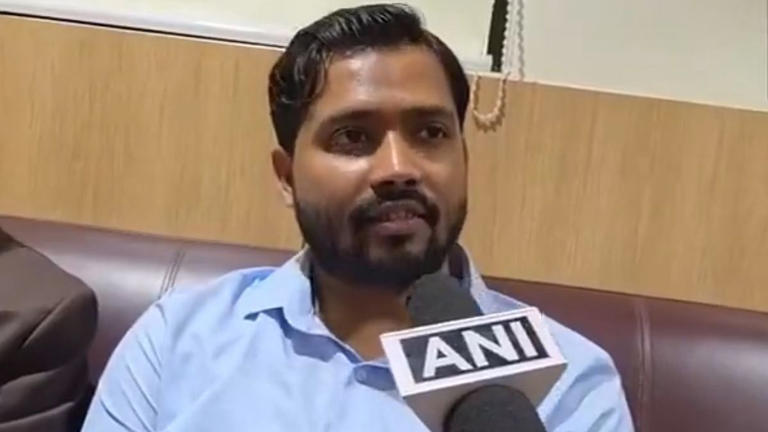
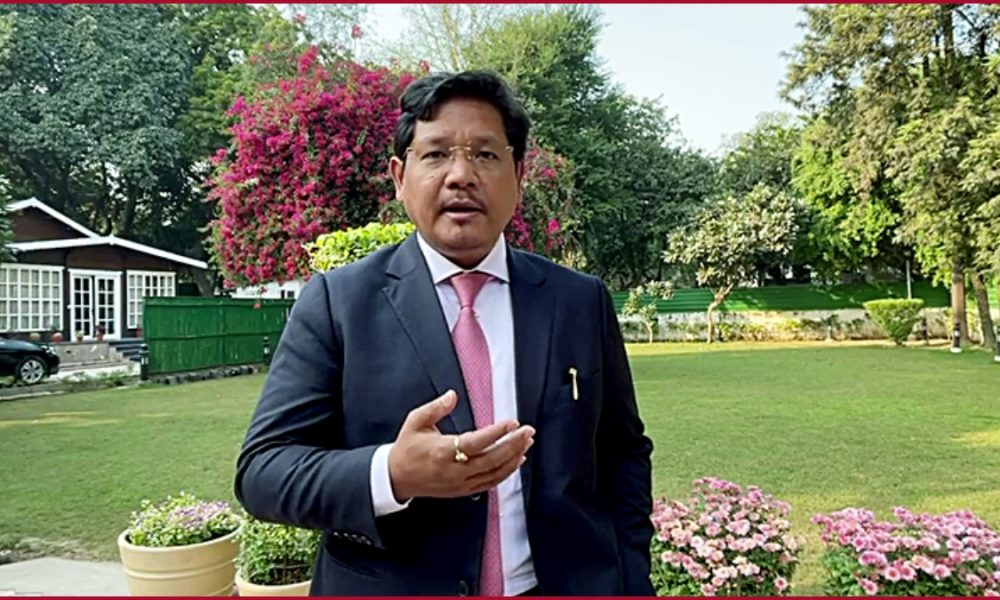
Following the rationalisation of the Goods and Services Tax (GST), Educator and YouTuber Khan Sir urged Prime Minister Narendra Modi to dismiss the 18 percent GST on educational services.
Speaking to ANI on Friday, Khan Sir said, "We also want to inform the Prime Minister that an 18 per cent GST is also levied on good education given in institutes. In my opinion, there should be no GST on education." Further, he welcomed the 40 per cent tax slab for luxury items.
He also said, "I hope that next time, when the Prime Minister gives a speech at the Red Fort, he will consider giving a Holi gift, just as he did for Diwali this time... Increasing the GST on luxury items is a good step." Khan Sir's remarks were after the 56th GST council meeting decided to rationalise GST rates to two slabs of 5 per cent and 18 per cent by merging the 12 per cent and 28 per cent rates. Also, there is a 40 per cent slab for luxury and sin goods, including tobacco and pan Masala, products like cigarettes, bidis, and aerated sugary beverages, and on luxury vehicles, high-end motorcycles above 350cc, yachts, and helicopters. Meanwhile, on Teachers' Day, Khan Sir remembered Dr Sarvepalli Radhakrishnan and vowed to carry forward the bond of teacher and student. "We are fortunate that Subramanyam Sharma, the maternal grandson of Sarvepalli Radhakrishnan and paternal grandson of VV Giri, is here with us today... Today, we pledge to carry forward the ultimate bond of teacher and student that has been a tradition in India, to never let education become a business, and to live by the meaning of education as realised by Radhakrishnan, that education is not only about getting a job, but it is a means to an all-round development," he said. The high cost of education in India poses significant challenges for students and families, particularly when compared to countries where higher education is free or heavily subsidized. In India, higher education, especially in professional courses like engineering, medicine, and management, can be prohibitively expensive. For instance, fees for medical or top-tier engineering colleges (e.g., private institutions or deemed universities) can range from ₹10 lakh to ₹50 lakh (approximately $12,000–$60,000 USD) for a four-year course. This is a massive burden for middle- and lower-income families, where annual household income often ranges from ₹2 lakh to ₹10 lakh ($2,400–$12,000).
Many families resort to loans, which lead to long-term debt. Education loan interest rates in India typically range from 8% to 15%, and repayment can stretch over 7–15 years, impacting financial stability. The high cost forces families to prioritize education for one child, often at the expense of others, perpetuating gender or economic disparities.
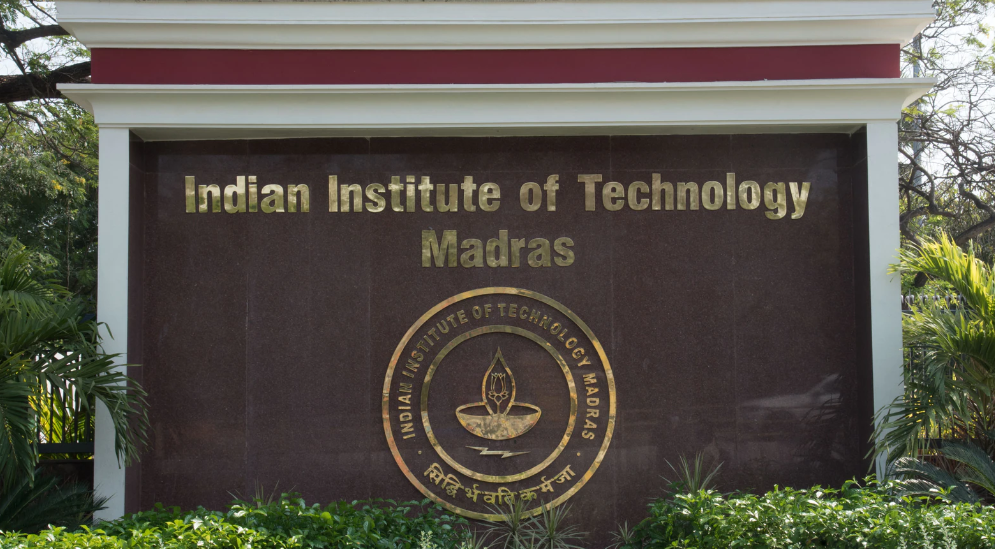
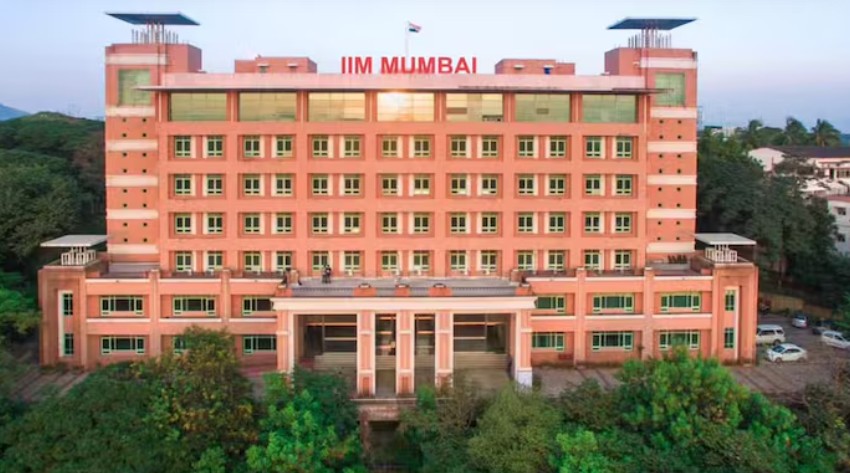
Public institutions like IITs and IIMs offer high-quality education at relatively lower costs (e.g., ₹2–3 lakh per year for IITs), but their seats are limited, with fierce competition (e.g., only 2–3% of applicants secure IIT seats through JEE Advanced). This pushes many students toward expensive private colleges.
Private institutions often charge exorbitant fees without guaranteeing quality education, faculty, or infrastructure, leaving students with degrees of questionable value.
High costs exacerbate inequality, as students from marginalized communities (e.g., Scheduled Castes, Scheduled Tribes, or rural backgrounds) struggle to afford education. Even with reservations in public institutions, additional costs like coaching for entrance exams (often ₹50,000–₹2 lakh) or living expenses in urban centers add to the burden. Students from wealthier backgrounds have better access to preparatory resources and private institutions, widening the opportunity gap.
The high cost of education pushes students toward fields like engineering, medicine, or IT, which promise better returns on investment, even if they have no interest in these areas. This stifles creativity and limits diversity in career paths, as students avoid humanities, arts, or research-based fields with lower immediate financial returns.
The pressure to recover education costs post-graduation also drives brain drain, with many students seeking higher-paying jobs abroad, contributing to India’s loss of talent. Coupled with this is intense academic competition, which contributes to stress, anxiety, and mental health issues among students. The fear of failing to secure a high-paying job after incurring debt adds to this pressure.
Coaching centers, a ₹60,000 crore ($7.2 billion) industry in India, thrive on this pressure, further increasing costs for exam preparation. Beyond tuition, students face additional expenses like accommodation, transportation, books, and technology (e.g., laptops), which can add ₹2–5 lakh annually, especially in urban areas like Delhi, Mumbai, or Bangalore.
For students studying abroad, costs are even higher (e.g., $20,000–$50,000 per year in the US or UK), and while scholarships exist, they are highly competitive and limited. Countries like Germany, Finland, Norway, and Sweden offer free or heavily subsidized higher education, even for international students in some cases. For example:
Germany: Public universities charge nominal administrative fees (e.g., €100–€400 per semester) and no tuition for most programs. International students, including Indians, benefit from this.
Finland: Education is free for EU/EEA students, with affordable fees for non-EU students (around €4,000–€18,000 per year, still lower than many Indian private colleges).
Norway: No tuition fees at public universities, even for international students, with only a small semester fee (e.g., $50–$100). These countries fund education through high taxes and prioritize universal access, viewing education as a public good.
In countries with free education, access is merit-based rather than wealth-based, reducing socioeconomic barriers. Students from diverse backgrounds can pursue higher education without financial stress. In contrast, India’s high-cost system limits access for lower-income groups, even when they have the academic ability. For example, a student in Germany can attend a top university like TU Munich without tuition fees, while an Indian student may struggle to afford a mid-tier private college.
:
Countries with free education often maintain high-quality infrastructure, faculty, and research opportunities due to government funding. For instance, German universities like Heidelberg or LMU Munich are globally ranked and accessible to all. In India, many private colleges charge high fees but lack comparable facilities, leading to a mismatch between cost and value. Public institutions like IITs are exceptions, but are inaccessible to most due to limited seats.
The added GST above the high fees added another tension for families, and Khan Sir's request to PM Modi was welcomed among the students and parents.
He also said, "I hope that next time, when the Prime Minister gives a speech at the Red Fort, he will consider giving a Holi gift, just as he did for Diwali this time... Increasing the GST on luxury items is a good step." Khan Sir's remarks were after the 56th GST council meeting decided to rationalise GST rates to two slabs of 5 per cent and 18 per cent by merging the 12 per cent and 28 per cent rates. Also, there is a 40 per cent slab for luxury and sin goods, including tobacco and pan Masala, products like cigarettes, bidis, and aerated sugary beverages, and on luxury vehicles, high-end motorcycles above 350cc, yachts, and helicopters. Meanwhile, on Teachers' Day, Khan Sir remembered Dr Sarvepalli Radhakrishnan and vowed to carry forward the bond of teacher and student. "We are fortunate that Subramanyam Sharma, the maternal grandson of Sarvepalli Radhakrishnan and paternal grandson of VV Giri, is here with us today... Today, we pledge to carry forward the ultimate bond of teacher and student that has been a tradition in India, to never let education become a business, and to live by the meaning of education as realised by Radhakrishnan, that education is not only about getting a job, but it is a means to an all-round development," he said. The high cost of education in India poses significant challenges for students and families, particularly when compared to countries where higher education is free or heavily subsidized. In India, higher education, especially in professional courses like engineering, medicine, and management, can be prohibitively expensive. For instance, fees for medical or top-tier engineering colleges (e.g., private institutions or deemed universities) can range from ₹10 lakh to ₹50 lakh (approximately $12,000–$60,000 USD) for a four-year course. This is a massive burden for middle- and lower-income families, where annual household income often ranges from ₹2 lakh to ₹10 lakh ($2,400–$12,000).
Many families resort to loans, which lead to long-term debt. Education loan interest rates in India typically range from 8% to 15%, and repayment can stretch over 7–15 years, impacting financial stability. The high cost forces families to prioritize education for one child, often at the expense of others, perpetuating gender or economic disparities.
Public institutions like IITs and IIMs offer high-quality education at relatively lower costs (e.g., ₹2–3 lakh per year for IITs), but their seats are limited, with fierce competition (e.g., only 2–3% of applicants secure IIT seats through JEE Advanced). This pushes many students toward expensive private colleges.
Private institutions often charge exorbitant fees without guaranteeing quality education, faculty, or infrastructure, leaving students with degrees of questionable value.
High costs exacerbate inequality, as students from marginalized communities (e.g., Scheduled Castes, Scheduled Tribes, or rural backgrounds) struggle to afford education. Even with reservations in public institutions, additional costs like coaching for entrance exams (often ₹50,000–₹2 lakh) or living expenses in urban centers add to the burden. Students from wealthier backgrounds have better access to preparatory resources and private institutions, widening the opportunity gap.
The high cost of education pushes students toward fields like engineering, medicine, or IT, which promise better returns on investment, even if they have no interest in these areas. This stifles creativity and limits diversity in career paths, as students avoid humanities, arts, or research-based fields with lower immediate financial returns.
The pressure to recover education costs post-graduation also drives brain drain, with many students seeking higher-paying jobs abroad, contributing to India’s loss of talent. Coupled with this is intense academic competition, which contributes to stress, anxiety, and mental health issues among students. The fear of failing to secure a high-paying job after incurring debt adds to this pressure.
Coaching centers, a ₹60,000 crore ($7.2 billion) industry in India, thrive on this pressure, further increasing costs for exam preparation. Beyond tuition, students face additional expenses like accommodation, transportation, books, and technology (e.g., laptops), which can add ₹2–5 lakh annually, especially in urban areas like Delhi, Mumbai, or Bangalore.
For students studying abroad, costs are even higher (e.g., $20,000–$50,000 per year in the US or UK), and while scholarships exist, they are highly competitive and limited. Countries like Germany, Finland, Norway, and Sweden offer free or heavily subsidized higher education, even for international students in some cases. For example:
Germany: Public universities charge nominal administrative fees (e.g., €100–€400 per semester) and no tuition for most programs. International students, including Indians, benefit from this.
Finland: Education is free for EU/EEA students, with affordable fees for non-EU students (around €4,000–€18,000 per year, still lower than many Indian private colleges).
Norway: No tuition fees at public universities, even for international students, with only a small semester fee (e.g., $50–$100). These countries fund education through high taxes and prioritize universal access, viewing education as a public good.
In countries with free education, access is merit-based rather than wealth-based, reducing socioeconomic barriers. Students from diverse backgrounds can pursue higher education without financial stress. In contrast, India’s high-cost system limits access for lower-income groups, even when they have the academic ability. For example, a student in Germany can attend a top university like TU Munich without tuition fees, while an Indian student may struggle to afford a mid-tier private college.
:
Countries with free education often maintain high-quality infrastructure, faculty, and research opportunities due to government funding. For instance, German universities like Heidelberg or LMU Munich are globally ranked and accessible to all. In India, many private colleges charge high fees but lack comparable facilities, leading to a mismatch between cost and value. Public institutions like IITs are exceptions, but are inaccessible to most due to limited seats.
The added GST above the high fees added another tension for families, and Khan Sir's request to PM Modi was welcomed among the students and parents.

You Might Also Like