Are Psychologists Essential in Schools and Colleges?

The recent case of the Class 7 student in Bengaluru who died by suicide suspected to be due to "Death Note" a Japanese Web Series raises serious concerns about the different influences that tramatize students, either in school or college to the point of suicide.
The young boy died in the CK Acchukattu area on the night of August 3. Initial police findings point towards a possible connection with the popular Japanese web series Death Note. A police investigation revealed that the young boy was a devoted fan of the series and had even sketched one of its characters in his room. This discovery has prompted authorities to explore whether the show’s storyline may have played a role in influencing his decision.
- Loss of interest: Losing interest in activities, hobbies, or things that were once enjoyable
- Mood swings: Experiencing irritability, frustration, or anxiety
- Guilt or shame: Feeling guilty, worthless, or ashamed
- Changes in appetite: Increased or decreased appetite, leading to weight gain or loss
- Sleep disturbances: Insomnia (difficulty sleeping) or hypersomnia (excessive sleeping)
- Fatigue: Feeling tired, lethargic, or lacking energy
- Physical pain: Experiencing headaches, back pain, or other physical discomforts
- Social withdrawal: Avoiding social interactions, friends, and family
- Loss of motivation: Struggling to complete tasks, meet deadlines, or maintain responsibilities
- Self-care neglect: Neglecting personal hygiene, grooming, or self-care activities
- Risk-taking death wish behaviors: Engaging in reckless or impulsive behaviors
- Difficulty concentrating.
- Negative thoughts.
- Memory problems.
- Increased irritability, restlessness, and thoughts of death or suicide When these red flags wave, it's time to seek professional help from a mental health expert. Unfortunately, not many will notice these signs nor will any parent, teacher, or institute take a troubled child to a psychologist. To address this crisis, the government has launched several initiatives such as the National Mental Health Policy to improve mental health infrastructure and raise awareness within educational institution
- the Manodarpan Initiative: Provides psychological support to students through a national toll-free helpline and dedicated website resources.
- Tele-MANAS: Offers 24/7 free tele-mental health services.
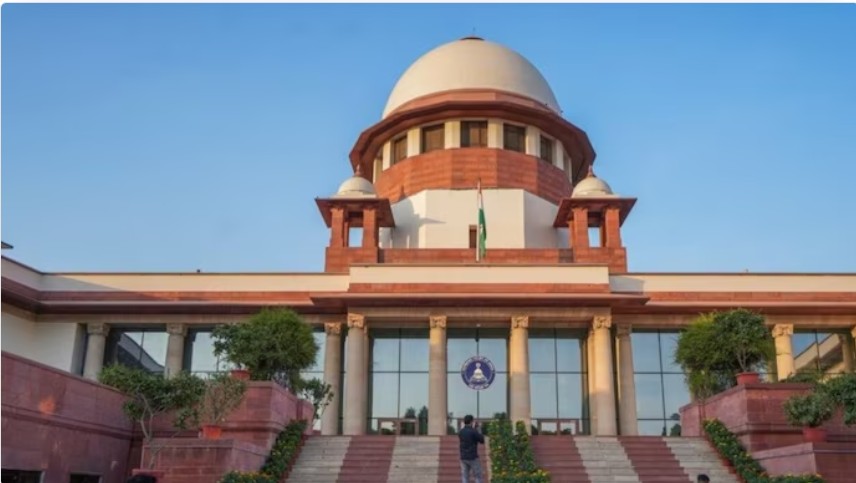
- Task Force: Established by the Supreme Court to address student mental health concerns and prevent suicides in higher educational institutions. It is crucial that schools and colleges heed to the urgency of this matter and ensure accessible counseling, hire psychologists on campus and establish peer support programs in educational institutions, promote a supportive environment and address the root causes of distress, integrate mindfulness and coping strategies into the curriculum and enforce strict anti-ragging measures and establish preventive rules clearly to protect students in hostels. The Urgent Need of Psychologists in Education Institutes: Psychologists can play a critical role in providing support and guidance, help address the unique needs of these students. It is not uncommon to find a girl or a boy die by suicide due to unrequitted love or a love affair, parental pressure, family problems or academic failure because the issue is so weighty in their mind. By supporting students' emotions and thought process, psychologists can help them to perceive them positively, and creatively to enable them to reach their full potential. Psychologists are unsung heroes in the lives of troubled students, particularly those affected by domestic violence. These professionals provide a safe haven for young minds to navigate the complex emotions and trauma resulting from physical or verbal abuse. They help unravel the complexities of their feelings and develop coping strategies, connect with local support services, counseling, and therapy, and build resilience: Develop the skills and confidence to overcome adversity. By recognizing the importance of psychologists in educational institutions, we can work towards creating a more supportive and nurturing environment for students to thrive.

You Might Also Like