How Sairabanu Khan Raised a School out of the Ghettos to Prevent Crime
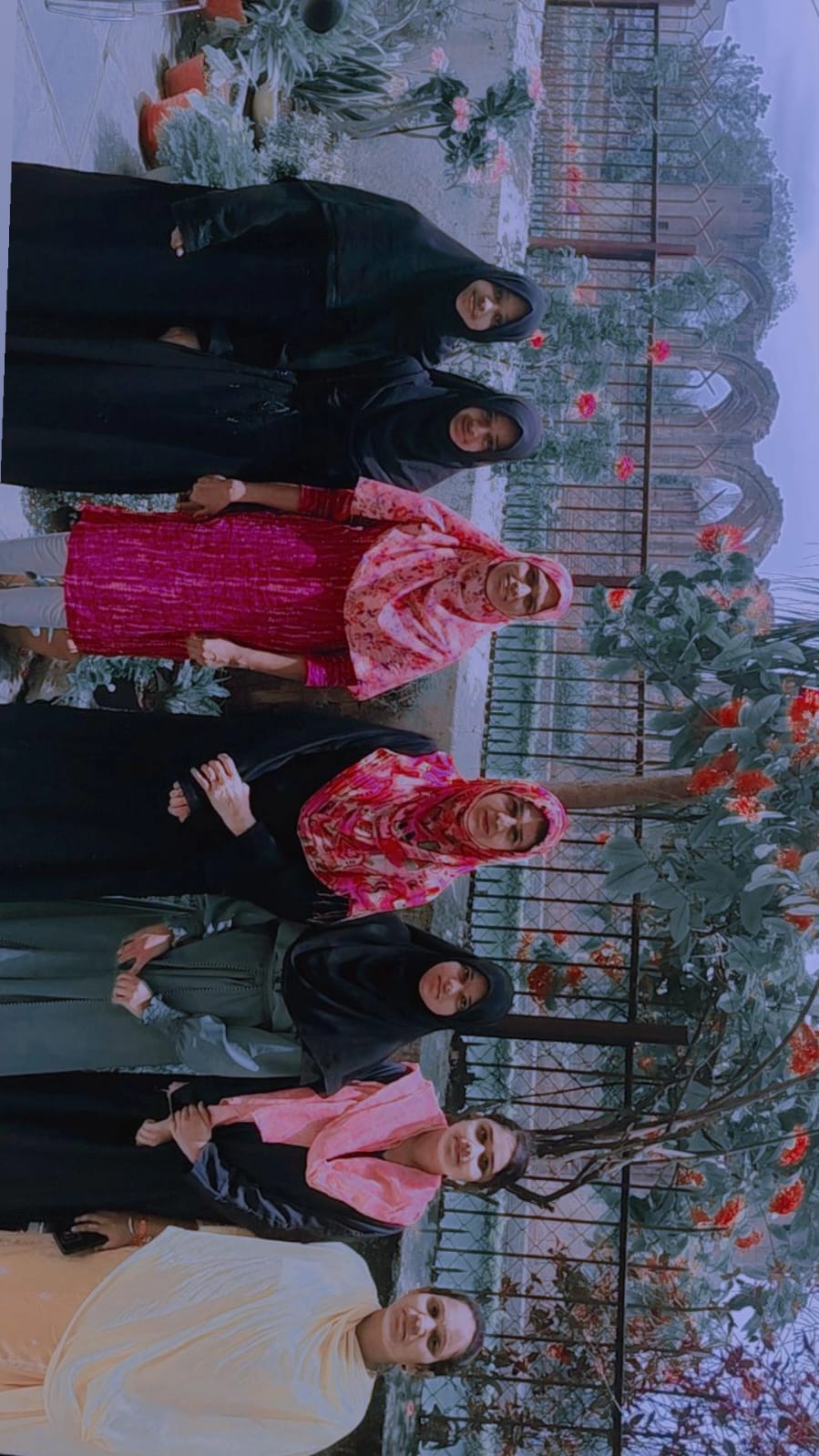
Education can change a society. Fifteen years ago, Sairabanu Khan started New National High School in Bijapur, Karnataka, with a vision to change the destinies of underprivileged children. Despite facing financial challenges, Sairabanu's dedication and passion have enabled the school to thrive, with 200 students and a curriculum beyond academics to include moral values and life skills. From teaching children to speak politely and respect others to providing financial support for surgeries and education, Sairabanu's selflessness and commitment to her students are truly inspiring.
It all started when she noticed that the area where she lived was adjacent to the slum area. Being an educator, she immediately detected that most of the children were dropouts. They labored in garages, sell flowers by the roadside, sell pan, chai, and snacks, and some of the older boys ply autos.
It struck her that often, when children don't have a direction or motivation except for survival, they get into crime out of frustration and boredom. She thought the most promising thing to do was to launch a school for them.
Sairabanu spoke to her husband about it, and he backed her idea. She then sought consent from her private school to avoid a clash of interest as she was already working in the educational sector. To her relief, her school was fine with it.
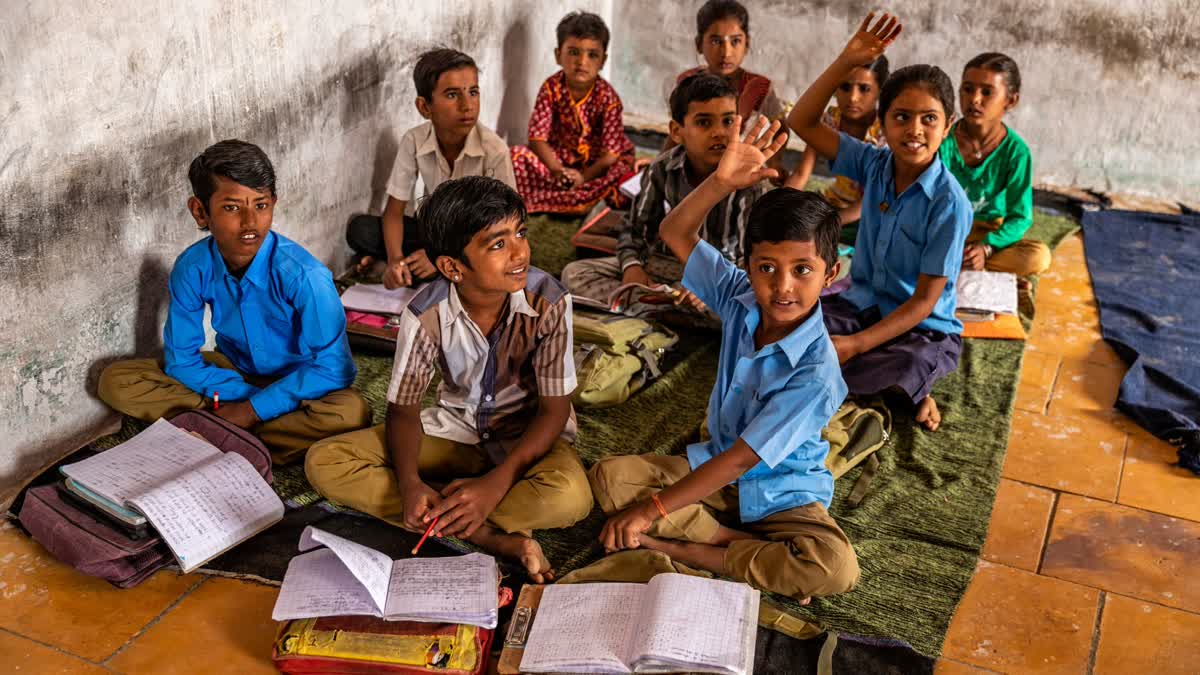
She started her tiny school in her home in a room with one teacher and four students, with LKG, elementary, and primary school. News spread fast, and interested parents brought their children; students started enrolling.
The school expanded rapidly, to 200 students up to Class 12, so they gave up their large ancestral home for the school.
She sadly said that the only problem is finance. "If I had good finances, I would have built them a beautiful school. I bought land and put it in the name of the school, New National High School, started in 2010, and the National Education Society is the name of the organization. All that is left to be done is to build a new school on that land.”
While the school was initially run in the regional language, Kannada, with most of the scheduled castes, tribes, and Muslim children from the area enrolled, she soon noted that the parents wanted their children to study in an "English medium" school. They wanted that traditional English “convent education”.
She applied to the department for an English medium school starting with "elementary LKG 1-5, then up to 8, then 10th, so right from LKG to 10th standard, and now the Karnataka Education Board is affiliated to the Secondary Education Board.”
Sairabanu prioritizes making education accessible to all, keeping school fees minimal, ranging from ₹100 to ₹300 per month. If families are unable to pay, she doesn't charge any fees. Despite the financial strain, she continues to find ways to support her students and teachers. One of the challenges she faces is that parents often rely solely on the school to care for their children's education and well-being, rather than taking an active role themselves. This added responsibility can be overwhelming, but Sairabanu remains committed to providing the best possible education for her students.
Sairabanu's journey with her students has been remarkable. Initially, the children were restless, used foul language, and lacked discipline. But with patience, hard work, and dedication, Sairabanu and her team taught them to communicate respectfully and politely. The transformation was profound, with older students even correcting their peers when they used bad language. Sairabanu's approach emphasizes the importance of good manners, respect, and moral values.
She holds regular parent meetings to coach them on supporting their children's development and encourages students to take care of animals, respect women, and maintain modesty.
She says, “Our school has not reached popular heights and is not well known because we don’t have a big, grand building. We are living in a residential area, and the building resembles a house. There are no funds to build a school. I soon realized we needed a laboratory, a good library, and a playground, so I took out all my savings and also borrowed some money from my husband and bought half an acre of land with the plan to shift the school there one day. While I did not save anything for my children, I thought of the school children. I constructed the boundary wall for the land. I hope that compassionate people will help and donate to build a good school on the new land. "
“To make them socially sensitive, I have taken great care to make the students respect all religions. I encourage them to read the Gita, Quran, Guru Granth Sahib, the Bible, and other holy books. I teach them about the philosophy of Vasudhaiva Kutumbakam. This focuses on a global perspective, prioritizing the collective well-being over individual or family interests."
She emphasized, "We want our children to not only learn about it but implement it in action. This is the right tender age to teach them about harmony, universal love, and tolerance. Once they grow up, they will not understand, nor will they easily accept new thoughts. I tell the children to join other children’s festivals and invite them to their festivals as well, and this is how they will become friends. I tell them, “What we dream of the Ram Raj and Acche Din is in your hands. You can do it, humare zamana chale gaye, we are finished, you make a difference now.” I am very happy with my students, they love me very much, I love them, and all the teachers love them, our work is rewarding.”
She also said, “During Ramzan, we give Zakat, and my husband and I give the lion's share of our cut to the parents, giving them huge grocery bags so that a family of five can eat for a whole month. We give them new clothes as well, and it is a very happy time for all of us. I must add that about 40% of the children in our schools are orphans, as either one of their parents has died or abandoned them, which is why I want to open a hostel to take care of the children. Behind every child is a sad story, and there is an urgent need to help them.”
Sairabanu Khan has three children - two sons and a daughter. Life is challenging for her as her elder son is mentally retarded, so she exclusively takes care of him. Her outreach to other children is also done with hope in her heart that one day, some blessing may fall upon her son and heal his mental condition.
Sairabanu's legacy will be the countless lives she has touched through her work. Her students will go on to become leaders, professionals, and responsible citizens who will make a positive impact in their communities. Her story is a reminder that education is not just about academics, but about empowering young people to become the best version of themselves.

You Might Also Like