Shockingly, Brain Scans Reveal that Children in High-Conflict Homes Show Brain Changes Similar to War Veterans.
A groundbreaking study utilizing brain scans has uncovered a deeply troubling connection: children exposed to intense family conflict exhibit brain changes strikingly similar to those observed in combat veterans.
In the first functional MRI brain scan study to investigate the impact of physical abuse and domestic violence on children, scientists at UCL, in collaboration with the Anna Freud Centre, found that exposure to family violence was associated with increased brain activity in two specific brain areas (the anterior insula and the amygdala) when children saw pictures of angry faces.
Dr Eamon McCrory, lead author from the UCL Division of Psychology and Language Sciences and the Anna Freud Centre, said: "We are only now beginning to understand how child abuse influences the functioning of the brain's emotional systems. This research is important because it provides our first clues as to how regions in the child's brain may adapt to early experiences of abuse in the home."
Previous MRI studies that studied the brains of soldiers exposed to violent combat situations have shown the exact pattern of heightened activation in these two regions of the brain, which are associated with threat detection. The authors suggest that both maltreated children and soldiers may have adapted to be 'hyper-aware' of danger in their environment.
However, the anterior insula and amygdala are also areas of the brain implicated in anxiety disorders. Neural adaptation in these regions may help explain why children exposed to family violence are at greater risk of developing anxiety problems later in life.
This revelation underscores the profound impact that emotional turmoil within the home can have on a child’s developing brain, mirroring the neurological damage seen in individuals who have endured the horrors of war.
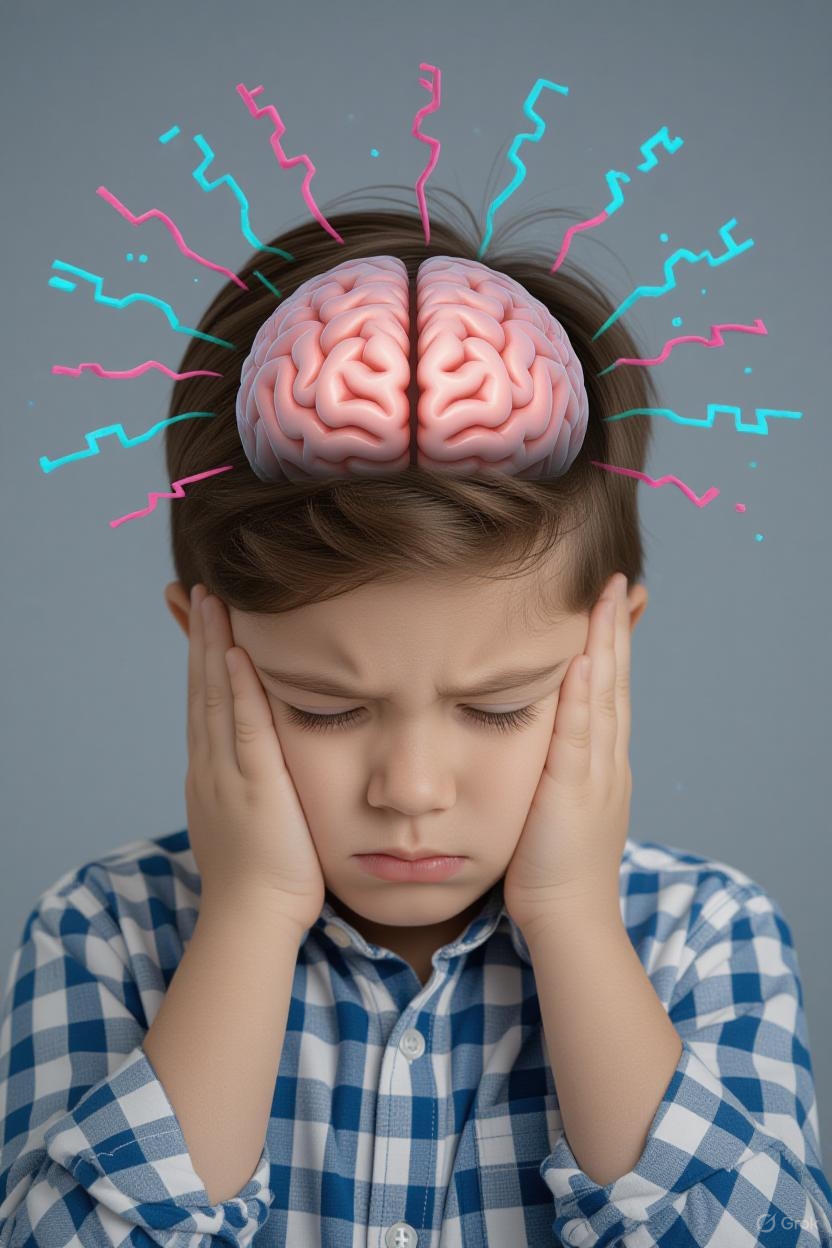
The research highlights that children who regularly witness chronic yelling, aggressive arguments, or domestic tension experience altered brain activity in regions critical to fear, stress, and emotional regulation. Specifically, the amygdala—the brain’s threat-detection center—becomes hypersensitive, leaving children in a near-constant state of hypervigilance, as if perpetually bracing for danger.
At the same time, the prefrontal cortex, responsible for impulse control, decision-making, and emotional regulation, shows signs of underdevelopment or impairment. This neurological imbalance can set the stage for long-term challenges, including anxiety, emotional dysregulation, and even symptoms resembling post-traumatic stress disorder (PTSD) later in life.
What makes these findings particularly alarming is the widespread underestimation of how deeply family conflict affects children. Many parents or caregivers may dismiss heated arguments or emotional tension as fleeting or inconsequential, unaware of the lasting imprint they leave on a child’s brain. Yet, the science is unequivocal: the emotional climate of a home shapes the architecture of a child’s mind, with consequences that can persist into adulthood.
This discovery serves as a clarion call for action. It emphasizes the critical need for family therapy, conflict resolution strategies, and the creation of safe, nurturing environments to safeguard young minds. Emotional education for parents and caregivers is equally vital, equipping them with tools to foster stability and resilience in their children. The absence of physical scars does not equate to an absence of harm—the invisible wounds of emotional trauma are just as real and demand urgent attention.
By prioritizing supportive interventions and fostering emotionally healthy households, society can help mitigate the devastating effects of family conflict on children, ensuring their brains develop in an environment that promotes healing and growth rather than fear and dysfunction.